Home Blog Page 13

Historical City Peshawar

Historical City Peshawar

Peshawar is the famous city and capital of the Pakistani province of Khyber Pakhtunkhwa. Is it situated close with border of Afghanistan. Peshawar was the capital in the history during the ancient Kushan Empire, and it was home of the tallest building in the ancient world before the Muslim empires.

The city was an important trading point during the Mughal era. The city of Peshawar is famous with the name of city of flowers due to its beauty. Peshawar is the sixth-largest of Pakistan and its population is increasing speedy.

Overview on City Peshawar

Aspect Information
Name Peshawar City
Location Khyber Pakhtunkhwa, Pakistan
Population Approximately 1.97 million (as of my knowledge cutoff in September 2021; population figures may have changed)
Area Approximately 1,257 square kilometers
History Peshawar has a rich and diverse history, with roots dating back to ancient times, making it one of the oldest cities in South Asia. It has seen influences from various civilizations, including the Gandhara, Persian, Greek, and Islamic cultures.
Geography The city is located in the Peshawar Valley near the eastern end of the Khyber Pass. It is surrounded by mountains, including the famous Khyber Pass to the west and the Margalla Hills to the east.
Climate Peshawar experiences a hot desert climate with extremely hot summers and mild winters.
Economy The city’s economy is diverse, with a focus on trade, agriculture, and manufacturing. Peshawar is known for its vibrant bazaars, trade with Afghanistan, and the famous Peshawari chappal (traditional footwear).
Languages Spoken The primary language spoken is Pashto, but Urdu is widely used for communication. English is also understood and spoken, especially in educational and business settings.
Education Peshawar is home to several educational institutions, including the University of Peshawar, Khyber Medical University, and numerous schools and colleges.
Transportation The city is well-connected by road, with the historic Grand Trunk Road passing through it. Peshawar is also served by an international airport.
Landmarks Notable landmarks include the Peshawar Museum, Qissa Khwani Bazaar (Storytellers’ Market), and the Bala Hisar Fort, among others.
Cultural Events Peshawar hosts various cultural events and festivals, celebrating Pashtun traditions, music, and dance.
Healthcare Peshawar has multiple medical facilities, including hospitals and clinics, to cater to the healthcare needs of its residents.
Dining The city offers a rich culinary experience with a variety of Pashtun dishes such as chapli kebabs, pulao, and seekh kebabs. Additionally, you can find a range of Pakistani and international cuisines.

Following are famous places of Peshawar:

Bab-e-Khyber

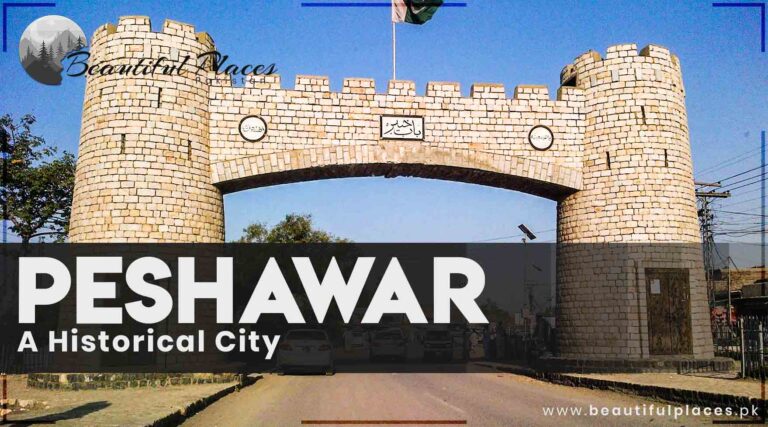
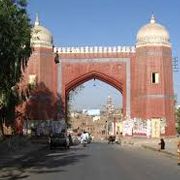
The Bab-e-Khyber, or the Khyber Gate, was built in 1964 at the mouth of the fabled Khyber Pass, where the Jamrud Fort is also located. The pass itself is a witness to history, and has seen countless invaders and great warriors enter the rich lands of subcontinent to seek their fortunes and build empires.

Khyber University

Khyber Medical University (KMU) is a prominent institution in Peshawar, Pakistan, specializing in medical and health sciences education. Established in 2007, it offers a range of undergraduate and postgraduate programs across various medical disciplines. Affiliated with colleges in the Khyber Pakhtunkhwa region, KMU is a hub for training healthcare professionals. The university is actively engaged in research, contributing to scientific publications in the field. With modern facilities and collaborations with national and international institutions, KMU plays a vital role in advancing medical education and research in the region.

Peshawar Museum

The museum houses a treasure trove of artifacts from the Gandhara civilization, showcasing Buddhist sculptures, ancient coins, and historical relics. It provides invaluable insights into the rich tapestry of the region’s history.

Qissa Khwani Bazaar (Storytellers’ Market)

This bustling bazaar has been a hub for traders, storytellers, and travelers for centuries. Its name reflects the tradition of travelers sharing tales here. The market offers a vibrant glimpse into daily life, with shops selling traditional goods, spices, and colorful fabrics.

Bala Hisar Fort

Overlooking the city, the Bala Hisar Fort has guarded Peshawar for centuries. Its history dates back to the Sikh and Durrani empires. While not fully accessible to the public, its presence is a testament to Peshawar’s historical resilience.

Cultural Traditions:

Peshawar is a city that thrives on its cultural traditions. Pashto, the primary language spoken, resounds in the vibrant bazaars, where shopkeepers greet you with warm smiles. Peshawar hosts various cultural events and festivals, celebrating Pashtun traditions, music, and dance.

The Pashtunwali code, a set of traditional laws and customs, shapes social interactions and emphasizes hospitality. Visitors are often welcomed with open arms and treated to local traditions, including music and dance performances.

The Flavors of Peshawar

Peshawar’s cuisine is a delightful journey of flavors. It’s famous for its distinct Pashtun dishes, including:

  • Chapli Kebabs: These flavorful minced meat kebabs, seasoned with an array of spices, are a local specialty.
  • Peshawari Pulao: Fragrant rice cooked with spices, meat, and an abundance of ghee (clarified butter).
  • Seekh Kebabs: Succulent minced meat skewers cooked over open flames, infused with aromatic spices.
  • Kabuli Palaw: A hearty dish of rice and tender chunks of meat, often garnished with raisins and carrots.
  • Namkeen (Savory) Chai: Peshawar is renowned for its strong, spiced tea, perfect for sipping in the bustling bazaars.
  • Nan Kabab: Skewered minced meat wrapped in freshly baked naan, a delectable street food.

Peshawar’s dining experience is not only a culinary exploration but a journey into the heart of Pashtun hospitality.

Schools:

  • Army Public School and College Peshawar
  • Beaconhouse School System Peshawar
  • Edwardes College Peshawar
  • Frontier Children’s Academy
  • Presentation Convent High School

Colleges:

  • Islamia College Peshawar
  • Khyber Medical College
  • Edwards College Peshawar
  • Jinnah College for Women
  • Government College Peshawar

Universities:

  • University of Peshawar
  • Khyber Pakhtunkhwa Agricultural University
  • Qurtuba University of Science and Information Technology
  • Abasyn University
  • National University of Sciences and Technology (NUST) Peshawar Campus

Hospitals:

  • Lady Reading Hospital
  • Hayatabad Medical Complex
  • Khyber Teaching Hospital
  • Northwest General Hospital & Research Center
  • Rehman Medical Institute

Restaurants:

  • The Monal Peshawar
  • Namak Mandi Restaurant
  • BBQ Tonight Peshawar
  • Silk Road Restaurant
  • Charasi Tikka Restaurant

FAQs

What is the significance of Peshawar in ancient history?

Peshawar, known as Purushapura in antiquity, was a key center of the Gandhara civilization and played a crucial role in trade along the Silk Road. Its rich history encompasses influences from Greek, Persian, Buddhist, and Islamic cultures.

How did Buddhism influence Peshawar?

Peshawar was a major center of Buddhist culture, with numerous monasteries and stupas dotting its landscape. The city’s Gandhara art, with its distinctive fusion of Greek and Indian styles, is a testament to the cultural exchange that took place during this period.

What role did Peshawar play during the British colonial era?

Peshawar served as a strategic military outpost for the British during the colonial period. The city’s architecture bears witness to this influence, with structures like the Cunningham Clock Tower and Edwardes College reflecting British design aesthetics.

How has Peshawar faced challenges in recent history?

Peshawar has confronted challenges such as the Afghan conflict and terrorism. Despite these difficulties, the city has shown remarkable resilience, maintaining its cultural vibrancy and serving as a testament to the strength of its people.

Wind-up Lines

The annals of Peshawar’s history, the echoes of ancient civilizations, the serene whispers of Buddhist monks, and the resolute footsteps of colonial soldiers linger in the air.

Peshawar stands as a living testament to the tapestry of human history, where each thread, whether woven in times of peace or conflict, contributes to the rich and diverse fabric of this extraordinary city. In Peshawar, the past is not a distant memory but a vibrant tapestry that continues to weave itself into the present and future.

Multan – The City of Saints

Multan

(The Land of the Mystics)

Multan city holds significant importance in history, culture, traditions, and spirituality. With the passage of time, Multan has gone through many floods, earthquakes, storms and hurricanes and so many other disasters but the signs of culture and traditions still exist.

According to the book “Punjab History” (تاریخ پنجاب), Multan was settled at the time of flood during the Noah (A.S) era. Renowned historian al-Biruni wrote in his book that Multan city is 216430 years old.

With a living history of 5,000 years, the city of Multan has buildings that have thousands of years of history at its foot and history seems to breathe in the bazaars and streets. Many rulers maintained their empires there. Every empire and every ruler has its own story.

Ghanta-Ghar-Multan
Ghanta Ghar, Multan

The numerous signs of People with different religions ruling this city at different times are spread in Multan and its suburbs. The whole population of Multan used to live inside a strong wall. The river Ravi was the natural defense of the city. But the river Ravi and Chenab changed their paths.

There was a time when the Chenab can be seen from Damdama (The Damdama is a massive block of a building constructed on a mound of earth fill. It is the highest part of Fort Kohna Multan).

The oldest nations of the World grew up near rivers. River Nile, River Tigris, Euphrates, Indus, and Ravi civilizations are living examples.

Multan is compared with Rome (capital city of Italy). One of the common factors is that both cities are ancient and still exist. Ganja City in Azerbaijan, Lași city in Romania, and Bursa city of Turkey are declared the twin cities of Multan.

Key information about Multan

Heading Information
Name Multan
Nickname The City of Saints
Location Southern Punjab, Pakistan
Geographical Features Situated on the banks of the Chenab River
Historical Significance One of the oldest cities in South Asia, with a history dating back thousands of years. Multan has been a center of trade, culture, and the convergence of various civilizations.
Cultural Heritage Known for its rich cultural heritage, including shrines, mausoleums, and a vibrant bazaar culture. Multan is famous for its blue pottery and traditional handicrafts.
Religious Significance A city with a significant religious presence, housing numerous shrines and tombs of Sufi saints. The city is often referred to as the “City of Saints” due to its spiritual importance.
Landmarks Multan Fort: A historical fort with various architectural styles. The Mausoleum of Shah Rukn-e-Alam: A prominent Sufi shrine.  The Tomb of Bahauddin Zakariya: Another significant Sufi shrine.  Clock Tower: A prominent symbol of the city.
Economy Primarily agrarian, known for the production of cotton and various fruits. Multan is an important economic hub due to its strategic location for trade.
Educational Institutions Bahauddin Zakariya University, Nishtar Medical University , Multan Medical and Dental College
Cuisine Famous for its traditional Punjabi cuisine, including Multani Sohan Halwa, Kebabs, and various sweets.
Language Punjabi is widely spoken, and Urdu is also commonly used.
Transportation Well-connected by road, rail, and air. Multan International Airport facilitates air travel.
Local Festivals The annual Multan Sufi Festival celebrates the city’s spiritual and cultural heritage. The Urs (death anniversary) of Sufi saints is also widely observed.
Population One of the most populous cities in Pakistan.

Multan City

Multan city exists inside the wall. It has six doors. The entrance road of every door meets at the Chowk Bazaar. All the roads of the inner city are interconnected.

Bohar Gate, Haram Gate, Hussain Aghai, Gulghust, and Cantt are famous shopping sites. People can buy traditional Multani embroidery, ladies Dupattas, dresses, shoes, and other items. Lamps of camel hide, Multani glass work dresses, leather items, blue pottery, Gota Kinari, and Multani Sohan Halwa are the best gift items and identification of this city.

 harram-gate-Multan
Harram gate, Multan

Shehden’s fish, Chowk Shaheeda’s Daal (beans), Khoni Burj’s Golgappa (a spicy food item) are famous food streets. Chaman Zar Askari park lake and Company Garden are worth-watching places. October to March are the best seasons for tourism.

Fmous Historical Sites In Multan

Fort Kohna Qasim Garden

Kohna means a heightened place. It is named Fort Kohna Qasim Garden because of the arrival of Muhammad Bin Qasim at this place.

Fort-Kohna-Qasim-Garden
Fort Kohna Qasim Garden Entrance gate

Multan city is situated on a high mound. In ancient times, a path on the river Ravi was used to separate this place from the city. There is no sign of the construction of this fort. But according to Sir Alexander Kingham, the ash obtained from the excavation of this place revealed the invasion of the Great Alexander there.

Today, Qasim Garden Cricket Stadium, the shrine of Hazrat Bhauddin Zakariya (R.A), the shrine of Shah Rukn-e- Alam, Qasim Bhag Park, A memorial minaret, a galley, the police office, and the mosque of Maulana Hamid Ali Khan are located there. Besides this, the Damdama is renovated and turned into an art gallery.

Shrine of Hazrat Bahauddin Zakariya R.A

Shrine-of-Bahauddin-Zakariya

Hazrat Sheikh Muhammad Bin Zakariya alias Baha-ul-Haq Multani was a son of Wajih-ud-din Muhammad Bin Kamal -ud-din Ali Qureshi. He was born in 1969.

He was the friend and age fellow of Hazrat Sheikh Farid-ud-din Ganj Shahkar R.A. It is narrated that; he designed his tomb. A model of this building is present in India Soni Pat. This fort was renovated in 1850. It is situated in Kohna Fort Qasim Garden Multan.

Shrine of Hazrat Shah Rukh -e- Alam R.A

The tomb of Hazrat Shah Rukn -e- Alam is situated on the southwest side of Kohna Fort Qasim Garden. His real name was Rukn-e-Din Abul Fateh and he is the Grandson of Ghos Baha-ul-Haq Multani.

He had a gorgeous personality in the era of Tughluq and was famous as a political and religious person. Famous tourist Ibn Battuta passed through Multan.

Shrine-of-Shah-Rukn-e-Alam-Multan.
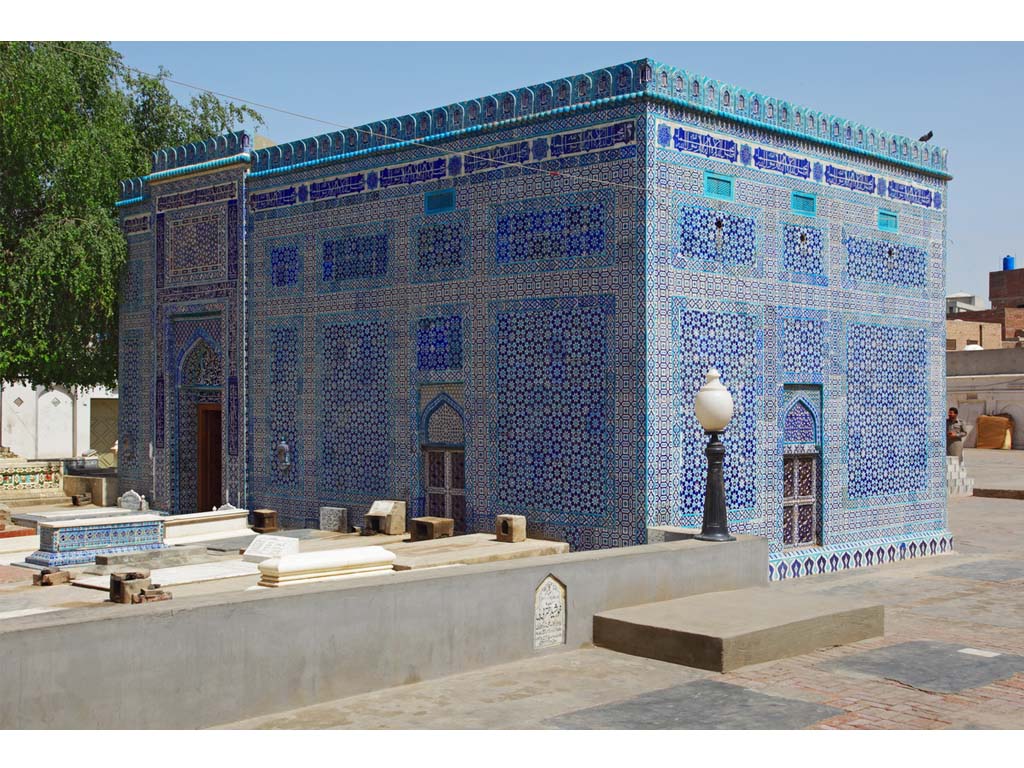
Shrine of Shah Rukn e Alam, Multan

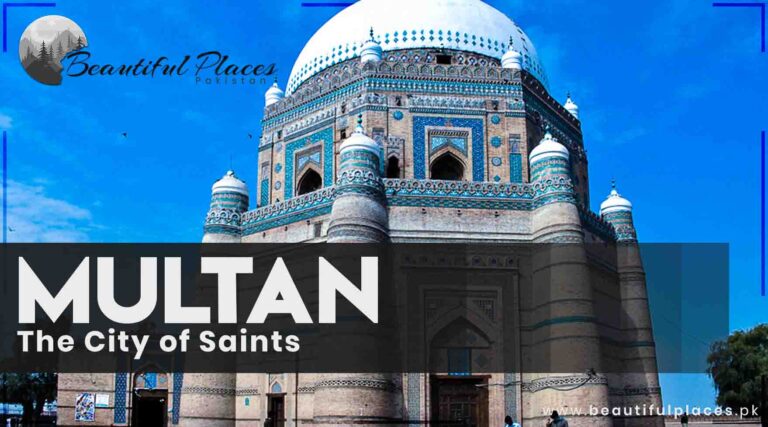
His tomb is considered one of the best buildings in the sub-continent. The tomb’s building is located at a height. It is about 150 feet high from the surrounding city. One can view the city from this tomb.

This shrine was awarded Agha Khan in 1983. It is the second-largest dome in Asia. Mosaic work of fine quality is done there. The art of embroidery with Multani tiles is a masterpiece.

Masjid Hamid Ali Khan

Situated in fort Kohna Qasim Garden, this mosque is situated in the precincts of Madrassa Hamidiya. The Mosque in the Madrassa of famous Scholar Maulana Hamid Ali Khan (1902-1980) is not so spacious but the art and craft used in its construction has made it unique.

The arch, dome, roof, minaret, and walls are bedecked with Mughal art, engraving work, tile work, and handicrafts. The artwork like in the Shesh Mahal Shahi Fort Lahore is replicated on the arch dome. Flowery handicrafts have introduced innovation in their designs.

Mushkoor Hussain son of the famous award-winning skilled architect of Bhong Mosque (Rahim Yar Khan) Manzoor Hussain decorated this mosque with his son. Former Prime Minister of Pakistan Syed Yousaf Raza Gillani and Prime Minister Azad Kashmir and many other foreign ambassadors visited this mosque.

The minaret monument

There is a minaret in the center of the city. It is built in the memorial of two British military men named Mr. Agnew and Andersen. They were sent to Multan by the British government to fulfill the wish of Dewan Molraj that he should be removed from the duties of the Multan government.

On 19th April 1848, the army of the fort attacked both army officers. The Sikh army abandoned them the next day. They died during the conflict in Eid Gha.

The British army launched a formal offensive on the fort to avenge them. They captured the fort. The brothers of deceased army officers buried them with great honor at the top of the fort on 26th January 1849. As a result of the war, Punjab was seized by the British Government.

Nigar Khana (Art Gallery)

 Nigar-Khana-Multan
Nigar Khana, Multan

This art gallery is situated in the historic Kohna fort and holds significant importance as the cultural center of Multan. It has a world of ancient culture, tile works, painting, and other arts which belongs to Multan and its suburbs.

The center located in the lowland area has closets adorned with Camel skin, tile works, painting, calligraphy, woodworks, mosaic work, camel bone, decoration pieces of Plaster of Paris, blue tiles made from Multani soil, utensils, Meenakari work, Surma bottles, carpentry, musical instruments, blue pottery, table lamps, pieces of paintings, and handicrafts designs. People can visit this galley with a ticket of 50Pkr.

The Cannon (توپ)

This cannon is situated on the fort with the capability to fire a 20-pound shell up to 2000 yards. It was manufactured in Royal Gun Factory in 1807. It has played an important role in the conquest mission of the Subcontinent.

In December 1848, it was used during the invasion and siege of the city by the Indian British Army of the Bombay Division under the command of Brigadier Dundas. On 2nd January 1849, this cannon destroyed the wall from the Khoni Burj and Delhi gate side. As a result, the bureaucracy of Sikhs ended.

Phool Hatta Wali Mosque

It is narrated that; a saint gave the good news of the son to the king Farrukh. Allah blessed him with a boy. He built a mosque as thankfulness to Allah. It is named Phool Hatta because there were flower shops near the mosques. This mosque is situated at Androon Haram Gate near Kala Mandi Chowk in front of the Police Station.

Mosque Wali Muhammad

This mosque has located some distance from Phool Hat mosque and it was built by Nawab Ali Muhammad Khan in 1757. He constructed Nala Wali Muhammad Khan. The name Ali Muhammad Khan is engraved on the inscription of the mosque.

Nawab Ali Muhammad gave his services as a provincial of Multan till 1767. Ahmad Shah Abdali appointed Nawab Shuja Khan as the new governor. Nawab Ali Muhammad Khan kidnapped him. Ahmad Shah Abdali killed him for his actions.

This mosque is a good example of Kashi Tile’s work. In the Sikhs regime, the municipal chairman of the area used to hold a court there. In the British era, Muslims took over it again. This mosque is still in good physical condition.

Eid Gha

This Eid Gha was established in 1735 by the governor of Lahore Nawab Abdul Samad. It was under the custody of the army in the Sikhs era and in 1848 two British officers Agnew and Andresen killed at this place.

During the British bureaucracy, the Deputy Commissioner used to hold Katchery there. It was returned to Muslims in 1868 on the condition that the inscription in the memory of the British Government is retained. This Eid Gha is still present on the northeast side of the city.

Baqir Abad Mosque

This mosque was constructed by Baqir Khan Nawab in 1720. It was a tradition in the era of Dewan Sawan mil that the parties were sent to this mosque to take oath in the case. That’s why it is considered a sacred place. This mosque is situated about 3 km away from Eid Gha on the Eastside.

Tomb of Hazrat Shah Gardez R.A

His real name is Muhammad Yousaf Gardezi. He was born in 450 A.H or 1058 AD in Ghazni Mouza Gardez. He came to Hindustan in the era of Sultan Allaudin Bahram Shah Ghaznavid. He died on 12th Rabi-ul-Awal 531 A.H. at the place where he used to worship.

A splendid building near Cromwell Road London has archaeological items and models of the Subcontinent. These models have a model of the tomb of Shah Gardez. Oil and sugar bricks have been used beautifully in the construction of this building.

Tomb-Shah-Yousaf-Gardezi-Multan
Tomb Shah Yousaf Gardezi , Multan

It is also noticeable that it is the only historical building of Multan whose model is exhibited there. This tomb is one of the great buildings of Androon city and is located at Bohar gate.

Birthplace of Ahmad Shah Abdali

The founder of Afghanistan Ahmad Shah Abdali Ameer Afghanistan was born in 1721. After the death of his father Al-Zaman Khan Saduzi, his mother Zerona left Afghanistan and shifted to Multan. He took refuge in the house of his husband’s uncle and gave birth to Ahmad Shah Abdali there.

He went to Afghanistan at the age of twelve. He led the foundation of present Afghanistan by integrating the tribes. In 1761, he defeated Mahrattas and Hindus in Paani Pat and saved the Muslims of the subcontinent from eternal slavery.

The memorial of the birthplace of Shah Ahmad Abdali is present at the junction of Abdali Mosque and the Institute of Cardiology.

Multan – The City of Saints

Historical Roots

Multan boasts a history that spans millennia, with archaeological evidence suggesting human habitation dating back to ancient times. As one of the oldest cities in South Asia, Multan has witnessed the ebb and flow of civilizations, from the Greeks and Persians to the Mughals and beyond. Its strategic location along the ancient trade routes contributed to its cultural diversity and prominence.

Cultural Heritage

The cultural landscape of Multan is adorned with landmarks that tell tales of bygone eras. The Multan Fort, a historical gem, bears witness to the city’s defensive architecture, reflecting influences from various ruling dynasties. However, it is the mausoleums and shrines that dot the city that have earned Multan its moniker, “The City of Saints.”

Spiritual Significance

Multan is a spiritual haven with numerous Sufi shrines and tombs of revered saints. The Mausoleum of Shah Rukn-e-Alam is a focal point, attracting devotees and tourists alike. The tomb’s blue dome is an iconic symbol of the city’s spiritual heritage. Equally significant is the Tomb of Bahauddin Zakariya, a revered Sufi saint whose presence continues to draw pilgrims seeking blessings and solace.

Architectural Marvels

The city’s skyline is punctuated with architectural marvels, each telling a story of artistic brilliance. The intricacies of the shrines’ designs, with their elaborate tilework and geometric patterns, showcase the fusion of various architectural styles over the centuries.

Economic Hub

Beyond its spiritual and historical significance, Multan plays a vital role in Pakistan’s economy. Its fertile land makes it an agrarian hub, known for the cultivation of cotton, wheat, and various fruits. The city’s strategic location also positions it as a crucial center for trade and commerce.

Educational and Cultural Hub

Multan is home to several educational institutions, including Bahauddin Zakariya University and Nishtar Medical University, contributing to its status as a center for learning and intellectual exchange. The city’s vibrant bazaar culture, traditional handicrafts, and the production of Multani Sohan Halwa add to its cultural richness.

Festivals and Celebrations

Multan comes alive during its annual Sufi Festival, a celebration of the city’s spiritual heritage. The Urs (death anniversary) of Sufi saints is marked by vibrant celebrations, drawing devotees from far and wide.

Educational Institutions in Multan

  • Bahauddin Zakariya University (BZU)
  • Nishtar Medical University
  • Multan Medical and Dental College
  • The Educators – Multan Campus

Hospitals in Multan

  • Nishtar Hospital
  • Chaudhry Pervaiz Elahi Institute of Cardiology (CPEIC)
  • Multan Institute of Cardiology

Restaurants in Multan

  • Shahbaz Tikka
  • Chop Soy Restaurant
  • Lal Qila Restaurant
  • Pizza Hut
  • McDonald’s

Frequently Asked Questions 

What is Multan known for?

Multan is known for its rich historical and cultural heritage, often referred to as the “City of Saints.” It is famous for its Sufi shrines, ancient bazaars, and traditional handicrafts.

Why is Multan called the “City of Saints”?

Multan earned the moniker “City of Saints” due to its numerous Sufi shrines and tombs of revered saints, making it a significant spiritual center in Pakistan.

What are some famous landmarks in Multan?

Multan boasts several landmarks, including the Multan Fort, the Mausoleum of Shah Rukn-e-Alam, the Tomb of Bahauddin Zakariya, and the iconic Clock Tower.

Is Multan economically significant?

Yes, Multan plays a crucial role in Pakistan’s economy. It is an agrarian hub known for the cultivation of cotton, wheat, and various fruits. The city’s strategic location makes it a center for trade and commerce.

Are there notable educational institutions in Multan?

Multan is home to Bahauddin Zakariya University, Nishtar Medical University, and Multan Medical and Dental College, among others, contributing to its status as an educational hub.

What is the local cuisine like in Multan?

Multani cuisine is known for its rich flavors. Multan is famous for Multani Sohan Halwa, and local restaurants offer a variety of traditional Pakistani dishes, including kebabs and sweets.

Are there annual festivals in Multan?

Multan hosts an annual Sufi Festival, celebrating the city’s spiritual heritage. Additionally, the Urs (death anniversary) of Sufi saints is marked by vibrant celebrations.

Is Multan easily accessible?

Multan is well-connected by road, rail, and air. Multan International Airport facilitates air travel, and the city is a major transportation hub in southern Punjab.

What industries thrive in Multan?

Multan’s economy is diverse, with a focus on agriculture, trade, and commerce. The city is known for its cotton production, and various industries contribute to its economic vibrancy.

How can tourists explore Multan’s historical sites?

Tourists can explore Multan’s historical sites by visiting landmarks such as the Multan Fort, shrines, and bazaars. Guided tours, both organized and self-guided, are popular for experiencing the city’s rich cultural and historical offerings.

Wind Up Lines

Multan has a rich history. It is one of the largest cities in Pakistan and a center of culture and economy in Southern Punjab. Besides the historical places, Bahauddin Zakariya University is a center of learning. There is an International Airport. This city plays a major role in the economy of the Province Punjab.

Best Places of Gilgit Baltistan

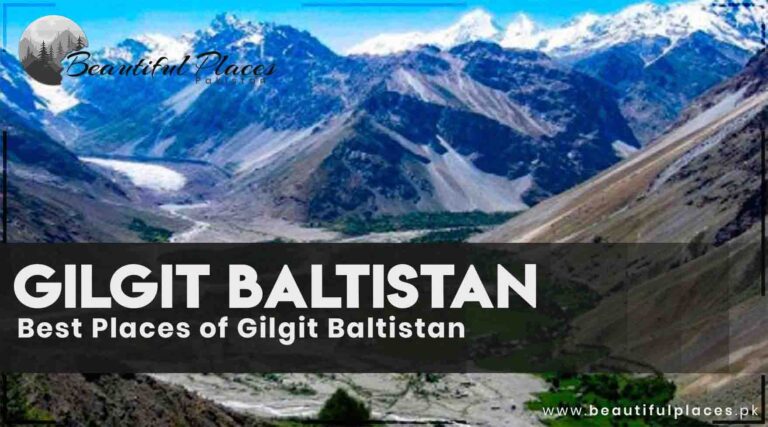
Gilgit Baltistan

Gilgit-Baltistan formerly known as the beautiful Northern Areas of Pakistan. This territory is administered by Pakistan Government which is the part of the larger Kashmir region, it is the subject of a territorial dispute area between India, Pakistan, and China. It has borders with Azad Kashmir to the south and Khyber Pakhtunkhwa province to the west, Afghanistan and the Xinjiang region of China is it’s north.

Gilgit Baltistan at a Glance

Aspect Information
Location Northernmost region of Pakistan
Capital Gilgit
Population Approximately 2.5 million (as of my last update in 2021)
Area 72,496 square kilometers
Languages Predominantly Shina, Balti, and Brushaski
Geography Mountainous terrain, including several high peaks
Climate Varied, from arid deserts to alpine mountain climates
Economy Primarily agrarian, with tourism and trade gaining importance
Culture A rich blend of various ethnic groups, each with its own traditions

Now, let’s explore some of the best places that make Gilgit Baltistan a breathtaking destination.

Best Places of Gilgit Baltistan

Gilgit Baltistan, situated in the northernmost part of Pakistan, is a tapestry of enchanting beauty and diverse landscapes. Each place in this region possesses its own unique charm and attractions, drawing travelers from all corners of the globe. Let’s embark on a journey through some of the best places to visit in Gilgit Baltistan, exploring not only their allure but also their specific locations.

Hunza Valley

Nestled among the towering peaks of the Karakoram and Himalayan ranges, Hunza Valley is a haven for nature lovers. With its lush green valleys, serene lakes, and the majestic Baltit Fort, this region is nothing short of breathtaking. Located in the Gilgit District, it offers travelers an opportunity to immerse themselves in local culture while also serving as an ideal destination for trekking and outdoor adventures.

Skardu

Skardu, often dubbed the “Gateway to the World’s Highest Peaks,” is surrounded by some of the loftiest mountains, including the mighty K2. This district, situated in the heart of Gilgit Baltistan, is the launching point for mountaineers and trekkers eager to conquer these giants. Additionally, Skardu boasts the mesmerizing Shangrila Resort, known as “Heaven on Earth,” nestled amidst nature’s grandeur. It’s a destination that blends luxury with the wilderness, making it a must-visit location.

Deosai National Park:

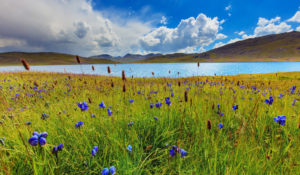
Known as the ‘Land of Giants,’ Deosai National Park is a high-altitude plateau that’s nothing short of enchanting. With vast grasslands, breathtaking vistas, and unique wildlife, this plateau is a natural wonder. Located in the Skardu District, it’s a sanctuary for Himalayan brown bears, marmots, and numerous bird species, offering nature enthusiasts and wildlife photographers a true paradise.

Fairy Meadows

At the base of Nanga Parbat, the world’s ninth-highest mountain, lies Fairy Meadows. Accessible via a trek, this location, in the Diamer District, lives up to its name with its surreal beauty. It offers panoramic views of the towering peak, surrounded by vibrant green meadows against a backdrop of snow-capped peaks. Trekkers and nature enthusiasts find solace and wonder in this pristine corner of the Karakoram.

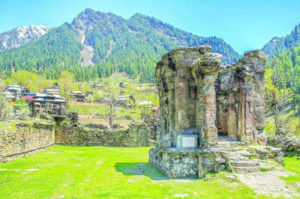
Shigar Fort

The Shigar Fort, located in the Shigar District, stands as an architectural marvel with a rich history. It’s a testament to the cultural and historical heritage of Baltistan. As visitors explore this fort, they step back in time, marveling at the intricate woodwork and ornate interiors that reflect the craftsmanship of the region.

Attabad Lake

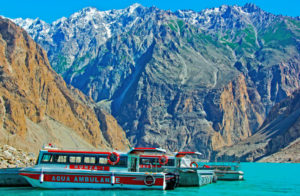
In the Gojal Valley of Hunza District, Attabad Lake is a stunning turquoise spectacle created by a massive landslide in 2010. Surrounded by dramatic mountain scenery, this lake is a visual masterpiece. It’s a captivating spot for photographers and boating enthusiasts who wish to sail on the striking blue waters against a backdrop of towering cliffs.

Karimabad

Karimabad, located in the Hunza District, is a bustling town offering a taste of local culture. It’s often the starting point for treks to Rakaposhi and nearby peaks. Visitors can engage with warm and welcoming locals in vibrant markets, sample local cuisine, and explore historical sites, immersing themselves in the region’s cultural and architectural heritage.

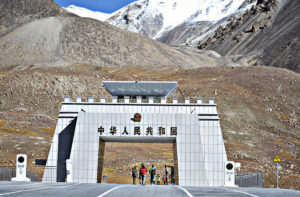
PAK-China Boarder


Frequently Asked Questions

Q: Where is Gilgit-Baltistan located?

A: Gilgit-Baltistan is a region in northern Pakistan, bordered by Afghanistan to the west, China to the north, and Indian-administered Jammu and Kashmir to the south and east.

Q: What is the significance of Hunza Valley?

A: Hunza Valley is renowned for its stunning landscapes, historical forts (such as Baltit and Altit), and cultural richness. It’s surrounded by towering peaks and is a hub for trekking and cultural exploration.

Q: What is the Karakoram Highway, and why is it significant?

A: The Karakoram Highway (KKH) is one of the world’s highest paved international roads, connecting Pakistan to China. It passes through the Karakoram Range and offers breathtaking views. It’s a vital trade and travel route.

Q: How was Attabad Lake formed?

A: Attabad Lake was formed in 2010 due to a massive landslide that blocked the Hunza River. The resulting natural dam created the turquoise-blue lake that we see today.

Q: What is unique about Khunjerab Pass?

A: Khunjerab Pass is one of the highest border crossings globally, connecting Pakistan and China. It’s part of the Karakoram Highway and offers stunning views of the surrounding mountains.

Q: What wildlife can be found in Deosai National Park?

A: Deosai National Park is home to diverse wildlife, including the Himalayan brown bear, ibex, red fox, and various bird species. The park is known for its unique ecosystem.

Q: How do tourists reach Fairy Meadows?

A: Tourists can reach Fairy Meadows by trekking or taking a jeep ride from Raikot Bridge. The journey offers breathtaking views of Nanga Parbat, the world’s ninth-highest mountain.

Q: What is the cultural significance of Skardu?

A: Skardu is known for its historical forts, such as Shigar and Skardu Fort. The region also serves as a starting point for treks and expeditions to some of the highest peaks in the Karakoram.

Q: What is the best time to visit Gilgit-Baltistan?

A: The best time to visit is during the summer months (June to September) when the weather is relatively mild, and most roads and attractions are accessible.

Q: Are there any cultural festivals in the region?

A: Yes, cultural festivals like the Shandur Polo Festival are celebrated in the region. These events showcase the traditional music, dance, and sports of the local communities.

Q: Is there any significance to the submerged trees in Attabad Lake?

A: The submerged trees are remnants of the vegetation that existed before the landslide formed the lake. They add to the unique and somewhat eerie beauty of the lake.

Q: How has the formation of Attabad Lake impacted the local communities?

A: While the lake submerged some villages, it has also brought economic opportunities through tourism. The region has adapted to the changing landscape with the construction of tunnels and bridges.

Wind Up Lines

Gilgit-Baltistan, with its diverse landscapes and cultural richness, stands as a testament to the wonders that nature and human history can create. From the enchanting valleys of Hunza and Skardu to the high-altitude plateaus of Deosai and the pristine lakes like Attabad, each destination offers a unique experience. Travelers seeking adventure, cultural immersion, and a connection with nature will find Gilgit-Baltistan to be an unforgettable destination, where every corner tells a story of resilience, beauty, and the harmonious coexistence of humans and the mighty mountains.

List of Historical Places in Lahore City

Lahore-List of Historical Places

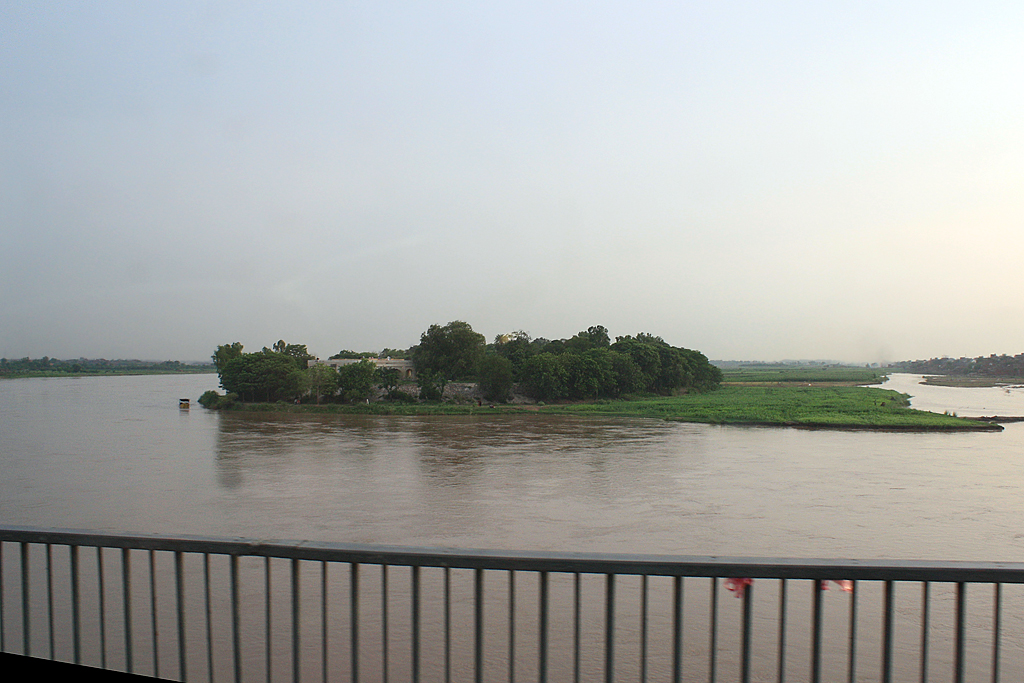
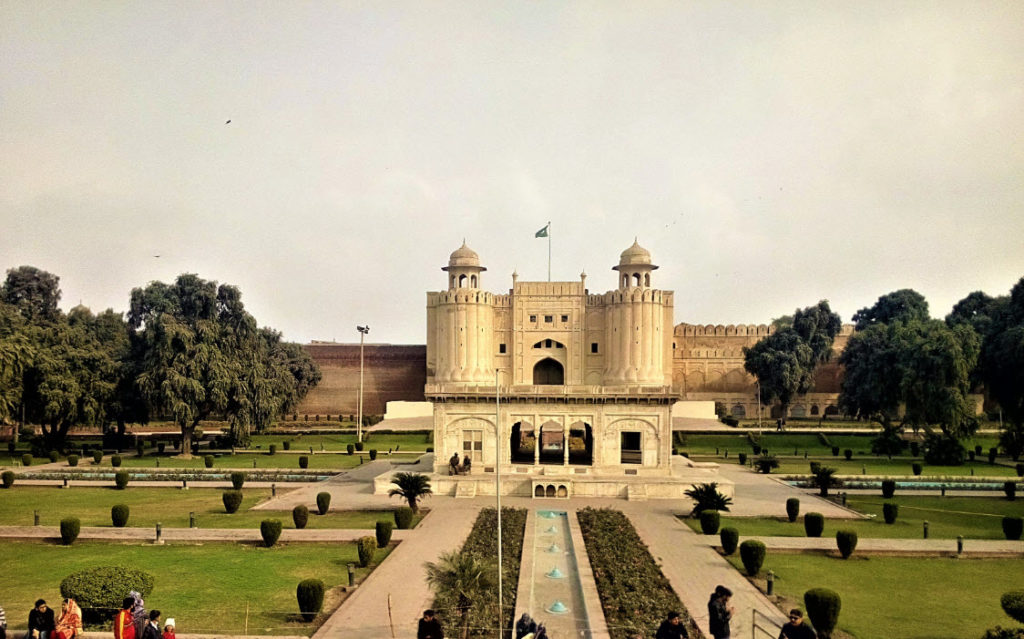
Lahore is the beautiful city and capital of the Pakistani province of Punjab. It is the second-most populous city of Pakistan’s. It is historical places which are famous all over the world. The Lahore Fort is the most famous place for the visitors. It is located beside the river Ravi.

Famous plcaes are Badshahi Mosque, Hazuri Bagh. The Minar-e-Pakistan and Iqbal Park are also adjacent to the the fort. Following are the most beautiful and famous places in Lahore:

List of Historical Places in Lahore City

Place Description Architectural Splendor Cultural Significance
River Ravi A lifeline for agriculture, undergoing urban development. Transforming the city’s waterfront. N/A
Lahore Fort A historic Mughal masterpiece with stunning architecture. Sheesh Mahal, Naulakha Pavilion, and beautiful gardens. Rich Mughal heritage and history.
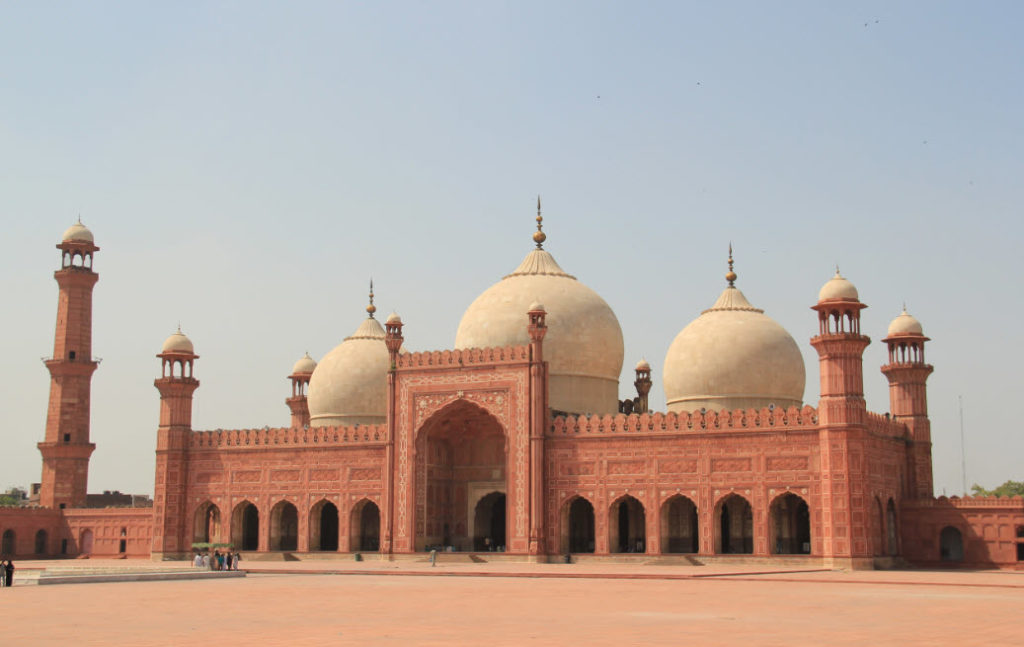
Badshahi Mosque Among the world’s largest mosques, celebrated for grandeur. Impressive prayer hall and a vast courtyard. A symbol of spiritual and cultural pride.
Hazori Bagh A Persian-style garden offering tranquility between monuments. Central pavilion with white marble work and terraced gardens. Harmonious integration with the surroundings.
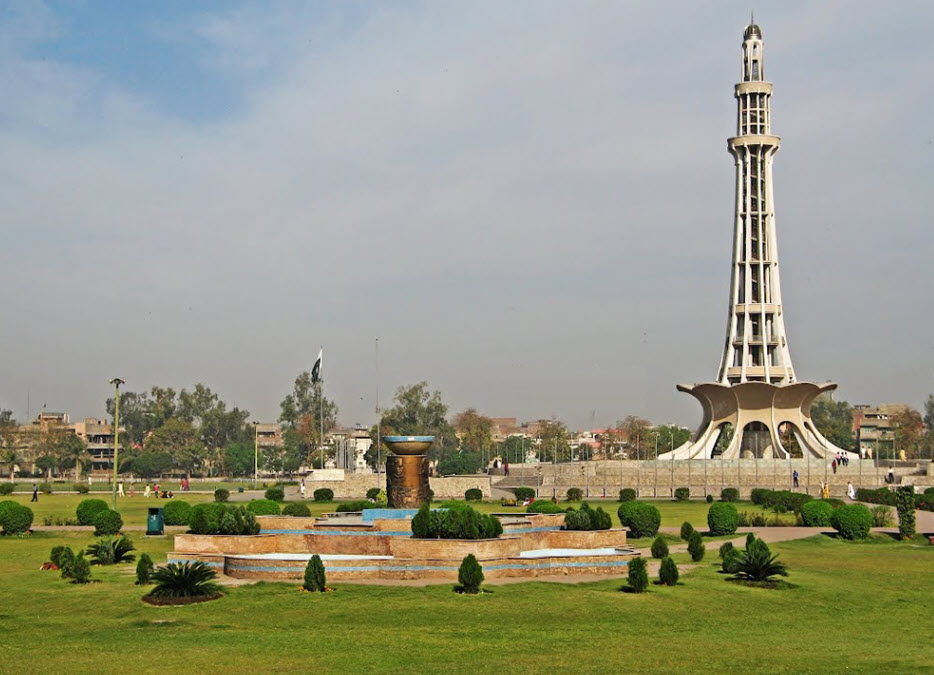
Minar-e-Pakistan A towering symbol commemorating a pivotal moment in history. Fusion of Mughal and Islamic architectural styles. A testament to Pakistan’s independence.
Greater Iqbal Park A vast urban park providing a serene escape in the city. Lush lawns, fountains, and pathways for relaxation. Cultural events, gatherings, and leisure.

River Ravi

Baradari of Kamran Mirza

The River Ravi, while not traditionally considered a tourist destination, is of great historical and environmental significance. This river flows through the northern part of Pakistan, providing vital water resources for agriculture. In recent years, the Ravi Riverfront Urban Development Project has aimed to transform the riverfront into an attractive area for leisure and tourism, offering a serene environment for visitors to enjoy the natural beauty and the city’s evolving waterfront.

Lahore Fort

Lahore Fort, also known as the Shahi Qila, is a timeless testament to Mughal grandeur. Its intricate design and stunning architecture make it a must-visit for history enthusiasts and architecture aficionados. The Sheesh Mahal, Naulakha Pavilion, and the Diwan-i-Khas are just a few of the treasures hidden within the fort’s walls. Strolling through its lush gardens and historic courtyards transports visitors to an era of regal opulence.

Badshahi Mosque

Adjacent to the Lahore Fort, the Badshahi Mosque is an iconic symbol of Lahore’s cultural heritage. This masterpiece of Mughal architecture, built with red sandstone and marble, is a testament to the grandeur and artistic finesse of the Mughal dynasty. With its vast courtyard and impressive prayer hall, it offers a spiritual and architectural experience like no other.

Hazori Bagh

Hazori Bagh, nestled between the Lahore Fort and Badshahi Mosque, is a hidden gem that showcases the Mughal love for aesthetics. The central pavilion, adorned with white marble and fine craftsmanship, is a tranquil spot to appreciate the grandeur of the fort and mosque. The flowing water channels, terraced gardens, and picturesque pathways make this garden a serene retreat amidst architectural wonders.

Minar e Pakistan

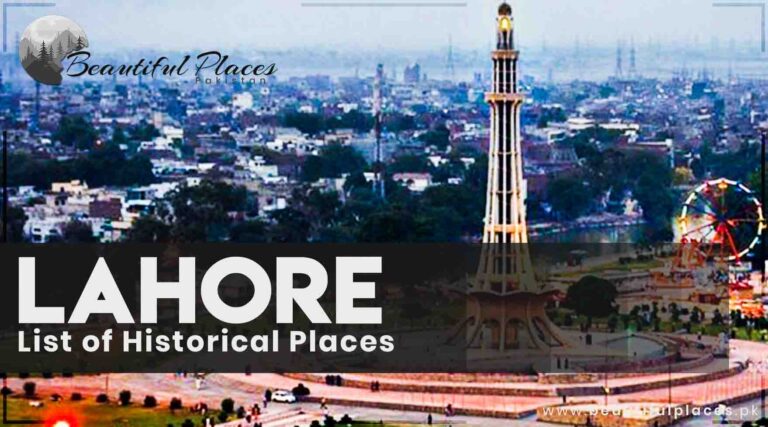
Minar-e-Pakistan, standing tall in Iqbal Park, commemorates the Lahore Resolution, a pivotal moment in Pakistan’s history. The monument’s fusion of Mughal and Islamic architectural styles is impressive. Climbing to the top for panoramic views of Lahore offers a unique perspective on the city’s historical significance and its journey to independence.

Greater Iqbal Park

Surrounding Minar-e-Pakistan and extending to the Lahore Fort and Badshahi Mosque, Greater Iqbal Park offers a lush and spacious urban retreat. With its well-maintained lawns, fountains, and pathways, the park is an ideal spot for picnics and leisurely strolls. It also serves as a venue for cultural events and festivals, contributing to the cultural vibrancy of Lahore.

FAQs

Q: What is the significance of Lahore Fort?

A: Lahore Fort, dating back to the 11th century, is a UNESCO World Heritage Site showcasing Mughal architecture. It includes palaces, mosques, and gardens, reflecting the grandeur of the Mughal era.

Q: Tell us about the Badshahi Mosque.

A: The Badshahi Mosque, built in 1673, is one of the largest mosques globally. Known for its intricate design, it stands as a masterpiece of Mughal architecture, reflecting the cultural richness of Lahore.

Q: What makes Shalimar Gardens unique?

A: Shalimar Gardens, established in 1641, offer a serene retreat with terraces, fountains, and pavilions. Its design reflects the Mughal fascination with creating paradises on earth.

Q: What can visitors expect at Lahore Museum?

A: Lahore Museum, founded in 1894, houses a vast collection of artifacts, including manuscripts, coins, and artworks, providing a comprehensive overview of the region’s history.

Q: Why is Ranjit Singh’s Summer Palace significant?

A: Reflecting Sikh architecture from the 19th century, Ranjit Singh’s Summer Palace offers insights into the reign of Maharaja Ranjit Singh and the Sikh period in Lahore.

Wind-up Lines

Lahore’s historical places are not just architectural marvels; they are living testaments to the city’s rich and diverse history. From the regal Lahore Fort to the tranquil Shalimar Gardens, each site weaves a story of cultural evolution and artistic brilliance.

As you explore these historical gems, you embark on a journey through time, connecting with the legacy that has shaped Lahore into a city that seamlessly blends its past with the present. So, wander through the corridors of Lahore’s history, and let the echoes of centuries guide your exploration.

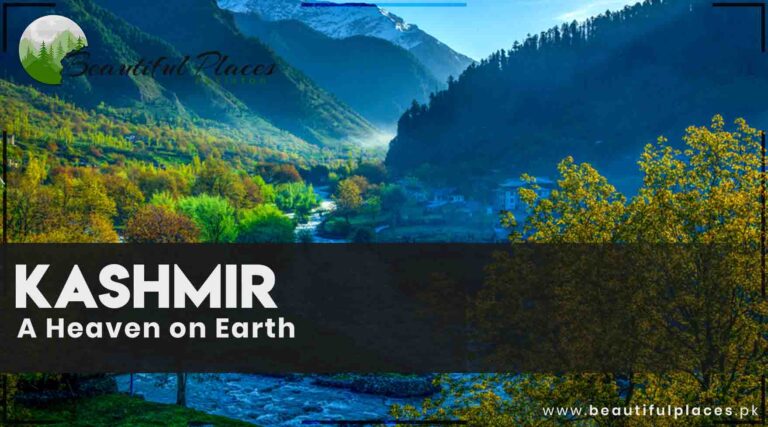
Tour of Kashmir | A Heaven on Earth

A Heaven on Earth

Kashmir is the one of the top most beautiful valley in northernmost region of Pakistan. It is a huge valley with beautiful places, Karen, Sharda, Kel, Arang Kel and Taobat are most beautiful visiting points. There is beautiful river which is called Neelam river throughout the valley.

Beautiful Muzaffarabad City is situated on the river side which is 127 km away from Islamabad. It has beautiful waterfalls like Dhani Waterfall, it’s distance from is Muzaffarabad City 33 km. Another beautiful Kutton waterfall, it’s distance from Muzaffarabad City is 60 km. This Valley lies at an altitude of 1,615 meters (5,299 feet) above sea level. In Winter season mostly mountains are covered from snow and in summer beautiful greenery enrich the beauty of Neelam Valley.

 Details about Kashmir

Aspect Information
Location Kashmir Valley, northern part of the Indian subcontinent
Capital Srinagar
Famous Lakes Dal Lake, Wular Lake, Nigeen Lake
Key Cities Srinagar, Gulmarg, Pahalgam, Sonamarg
Best Time to Visit April to September (summer) for pleasant weather, October to March (winter) for snow activities
Scenic Landscapes Snow-capped mountains, lush green valleys, meadows, and alpine forests
Cultural Heritage Mughal Gardens, Jamia Masjid, Shankaracharya Temple, Hazratbal Shrine
Adventure Sports Skiing in Gulmarg, trekking in Sonamarg, shikara rides in Dal Lake
Cuisine Wazwan (traditional Kashmiri cuisine), Rogan Josh, Yakhni, Kehwa (traditional tea)
Handicrafts Pashmina shawls, Kashmiri carpets, papier-mâché items, walnut wood crafts
Local Markets Lal Chowk (Srinagar), Polo View Market (Srinagar), and Lal Bazaar (Srinagar) for shopping
Transportation Well-connected by air, road, and a scenic train ride from Banihal to Baramulla
Major Attractions Dal Lake Shikara Ride, Gulmarg Gondola, Betaab Valley, Shalimar Bagh, Nishat Bagh, Tulip Garden
Local Festivals Tulip Festival, Shikara Festival, Hemis Festival (celebrated in July)
Weather Conditions Cold winters with snowfall, mild summers with pleasant temperatures
Security Tips Follow local advice, stay updated on the current situation, and respect local customs
Language Spoken Kashmiri, Urdu, and English widely understood in tourist areas
Currency Indian Rupee (INR)

Beautiful places in kashmir

Muzafarabad

Muzaffarabad is the capital of Azad Jammu and Kashmir, a self-governing administrative division in Pakistan. Nestled on the banks of the confluence of the Neelum and Jhelum rivers, Muzaffarabad is a city of historical significance and natural beauty. The Red Fort, a centuries-old fort perched on a hill, stands as a symbol of the region’s rich history. The city is also known for its vibrant bazaars, offering a glimpse into the local culture and traditions.

Karen

Karen is likely a misspelling or a reference to a specific place not widely recognized. If you have additional context or clarification, I can provide more accurate information.

Sharda

Sharda is a small town in Neelum Valley, Azad Jammu and Kashmir, Pakistan. It is renowned for its historical Sharda University, an ancient seat of learning that dates back to the 6th century. The area is surrounded by lush greenery and is a popular destination for nature lovers and history enthusiasts.

Kel

Kel is a picturesque village located in Neelum Valley, Azad Jammu and Kashmir. Situated at an altitude of about 6,879 feet (2,097 meters), Kel offers breathtaking views of the surrounding mountains and valleys. It serves as a base for trekking and exploration in the nearby areas.

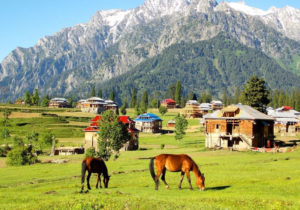
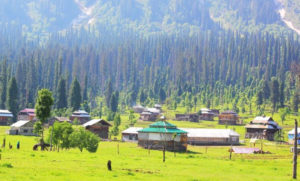
Arang Kel

Arang Kel is a scenic village in Neelum Valley, accessible from Kel. Reaching Arang Kel involves a trek through captivating landscapes, making it a favorite among adventure seekers. The village is known for its traditional wooden houses and panoramic views of the Neelum Valley.

Taobat

Taobat is another enchanting village in Neelum Valley, known for its natural beauty and tranquility. The village is surrounded by lush green hills and offers a serene environment for visitors. It provides an opportunity to experience the local culture and hospitality

Shounter Vallye

Shounter Valley is a remote and less-explored valley in Azad Jammu and Kashmir. Accessible through a challenging jeep track, the valley is a haven for nature enthusiasts seeking pristine landscapes. Shounter Lake, located in this valley, adds to the scenic beauty, surrounded by snow-capped peaks and green meadows.

Culinary Delights

Kashmiri cuisine is a sensory delight, and no tour is complete without indulging in its culinary treasures. The Wazwan feast, a grand spread of aromatic dishes like Rogan Josh and Yakhni, is a celebration of Kashmiri hospitality. Wash it down with Kehwa, a traditional Kashmiri tea, amidst the breathtaking landscapes.

Delectable Cuisine

Wazwan Feast: Kashmiri cuisine is a culinary journey in itself, and the Wazwan feast is the epitome of this experience. Rich, aromatic dishes like Rogan Josh, Yakhni, and Dum Aloo tantalize the taste buds, showcasing the flavors unique to the region.

Kehwa: A cup of Kehwa, a traditional Kashmiri green tea, is not just a beverage; it’s an integral part of the Kashmiri culture. Infused with spices like cardamom and cinnamon, Kehwa warms the soul, especially on chilly evenings.

Educational Legacy

University of Kashmir: Established in 1948, the University of Kashmir is a prestigious institution that has played a pivotal role in shaping the intellectual landscape of the region. With its diverse academic programs and lush campus, it stands as a symbol of educational excellence.

Burn Hall School: Founded in 1948, Burn Hall School in Srinagar has a rich history of providing quality education. Its sprawling campus, encompassed by the beauty of Kashmir, offers a conducive environment for learning.

Tyndale Biscoe and Mallinson Schools: These schools, with roots dating back to the late 19th century, have been instrumental in providing education in the valley. Tyndale Biscoe and Mallinson Schools are renowned for their commitment to academic excellence and holistic development.

Frequently asked questions (FAQs)

Q: What is Kashmir known for?

A: Kashmir is renowned for its stunning natural beauty, including picturesque landscapes, snow-capped mountains, and serene lakes.

Q: When is the best time to visit Kashmir?

A: The best time to visit Kashmir is from April to September for pleasant weather, while winter (October to March) is ideal for snow enthusiasts.

Q: What are the must-visit places in Kashmir?

A: Some must-visit places in Kashmir include Dal Lake, Gulmarg, Pahalgam, Sonamarg, and the Mughal Gardens.

Q: What is Wazwan?

A: Wazwan is a traditional Kashmiri feast, featuring a grand spread of aromatic dishes such as Rogan Josh, Yakhni, and Dum Aloo.

Q: Are there adventure activities in Kashmir?

A: Yes, Kashmir offers a range of adventure activities, including skiing in Gulmarg, trekking in Sonamarg, and shikara rides in Dal Lake.

Q: What is the Gondola ride in Gulmarg?

A: The Gondola ride in Gulmarg is one of the highest cable cars in the world, taking visitors to Apharwat Peak for panoramic views of the Himalayas.

Q: What is Kehwa?

A: Kehwa is a traditional Kashmiri green tea, infused with spices like cardamom and cinnamon, offering a warm and aromatic beverage.

Q: Which schools are famous in Kashmir?

A: Some famous schools in Kashmir include the University of Kashmir, Burn Hall School, Tyndale Biscoe School, and Mallinson School.

Q: How is the weather in Kashmir during winter?

A: Winter in Kashmir (October to March) is cold with snowfall, creating a magical snowy landscape, especially in places like Gulmarg.

Q: Is Kashmir safe for tourists?

A: Generally, Kashmir is safe for tourists, but it’s advisable to stay updated on the current situation, follow local advice, and respect local customs.

Wind Up Lines

In the symphony of Kashmir’s beauty, the picturesque places, delectable cuisine, and educational institutions contribute unique notes. The beauty of Keran and Sharda, the adventure in Gulmarg, the taste of Wazwan, and the intellectual legacy of institutions like the University of Kashmir make a tour of Kashmir not just a vacation but a holistic experience—a journey into a world where nature, culture, and education harmoniously coexist. As you traverse through the scenic landscapes and relish the flavors of Kashmir, you also witness the resilience and vibrancy of a region that has been, and continues to be, a true “Heaven on Earth.”

Top 10 Attractions of Tourism in Pakistan

0

Tourism in Pakistan

From the “Land of Giants” to the “Heaven on Earth”. Pakistan is a tapestry of breathtaking beauty and cultural richness. In this journey, we’ll traverse its enchanting landscapes, discover serene valleys, and explore historical gems that make Pakistan a treasure trove of natural wonders and cultural heritage. Get ready to embark on an unforgettable adventure through the top beautiful places of Pakistan.

Pakistan has numerous beautiful places which attract Tourism, below are top 10 most beautiful places in Pakistan.

Top 10 Attractions of Tourism in Pakistan

Places Description Best Time to Visit Notable Attractions
Hunza Valley Nestled in Gilgit-Baltistan, it’s known for snow-capped peaks and serene lakes. Spring to Autumn Baltit Fort, Attabad Lake
Swat Valley Often called the “Switzerland of Pakistan,” it’s famous for lush valleys and pristine rivers. Spring to Summer Malam Jabba, Mingora
Chitral Valley Offers stunning landscapes and is a gateway to the Kalash Valley. Spring to Autumn Kalash Valley, Shandur Pass
Shounter Valley Located in Azad Kashmir, this valley is known for its natural beauty. Spring to Autumn Shounter Lake, Shounter Top
Neelam Valley A breathtaking valley in Azad Kashmir, it’s characterized by lush greenery and rivers. Spring to Autumn Sharda, Keran, Arang Kel
Kumrat Valley Located in Khyber Pakhtunkhwa, it’s a serene valley with meadows and rivers. Spring to Autumn Jahaz Banda, Panjkora River
Kaghan Valley A paradise for nature lovers, offering stunning landscapes and trekking opportunities. Summer Lake Saif-ul-Mulook, Babusar Top
Naltar Valley Known for its pristine lakes, skiing, and a lush forested landscape. Spring to Autumn Naltar Lakes, Ski Resort, Naltar Forest

1. Hunza Valley


Hunza is a beautiful mountainous valley in the Gilgit-Baltistan, Pakistan. It lies at an altitude 7,788 (25,551ft.) meters above sea level. It’s distance from Islamabad City is 600 meters.

It has bordering with Xinjiang region of China and the Wakhan Corridor of Afghanistan and, it is situated in the extreme part of northern areas of Gilgit-Baltistan, Pakistan.

Hunza has become easily tourist friendly, easy accessible, sightseeing attractions and peppered with regional cuisine.

2. Kalash Valley
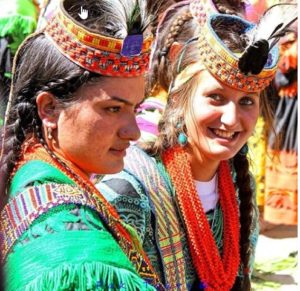
The Kalash Valley is located in northern side of Chitral District, Pakistan. It lies at an altitude 1,670 m (5,480 ft.) above sea level. It’s distance from Islamabad city is 420 km. The valleys are surrounded by the famous Hindu Kush mountain range.

The inhabitants of the valley are the Kalash people and they unique language and unique culture, they follow a form of ancient Hinduism. These beautiful Valleys are a source of attraction for Pakistani as well as International tourists.

There are three main valleys which are Bumburet, reached by a road from Ayun in the Kunar Valley, Rumbur is a north side valley of Bumburet. The third valley is Biriu which is also beautiful and attractive.

The annual celebration of the unique tribe of Kalash in Pakistan will be celebrated in all three valleys from May 12 to May 16 (the last day in Rambar and May 16 in Bombard), with thousands of tourists visiting the Kalash Valley. It is interesting to note that Joshi (Chlam Yoshi) is only a festival for us, but for the Kalash tribe it will come with a religious color.

We have a duty to promote any religious group and not disturb them for any reason. Usually it is seen that when Kalash people perform their traditional dance, tourists flock to them, or without permission. Entering a house and making pictures of girls or women is certainly not a favorite of the Kalash people.

Do not enter Kalash synagogues without permission.

 3. Swat Valley
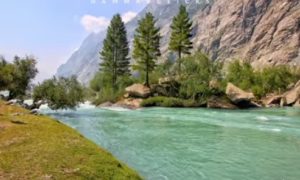
Swat valley is another beautiful Valley in Khyber Pakhtunkhwa, Pakistan. It lies at an altitude of 2,001 m (6,565 ft.) above sea level. It’s distance from Islamabad city is 314 km. It has the largest ski (Malam-Jabba) resort in Pakistan.

The Malam Jabba ski resort, owned by the Pakistan Tourism Development Corporation, had a ski slope of about 800 m with the highest point of the slope 2804 m (above sea level.

Malam Jabba Ski Resort was the joint effort of the Pakistan government with its Austrian counterpart. The resort was equipped with modern facilities including roller/ice-skating rinks, chair lifts, skiing platforms, telephones and snow clearing equipment. The resort was destroyed by the Taliban when they were in hold in Swat valley.

Now that writ of the government has been reinstated and peace established, tourism has picked up. The government of Khyber-Pakhtunkhwa (KPK) has awarded the tender for rebuilding the Malam Jabba skiing resort to a private company. Skiing has already been restored and a skiing festival was held in Jan 2015.

The world is beautiful – there is a scene, there is a song, there is terror, there is water, but everything is in a bin, in the outskirts of a mountain, somewhere high.

Those who have low courage will lose these beauties. Then create some crazy songs that convey universal and infectious aesthetics, share the feel of the four walls of your own cubicle, singing poems, lyrics and songs. Make pictures, write, analyze, create sculptures. Some do not tolerate the yawning of the dude.

4. Chitral Valley

Chitral Valley is the beautiful Valley. Its capital City is Chitral in Chitral District, it is located on the Chitral River in northern Khyber Pakhtunkhwa, Pakistan. It lies at an altitude of 1,500 m (4,921 ft.) above sea level.

It’s distance from Islamabad city is 405 km. Chitral is famous beautiful places for snowy mountains far from the city of Chitral, the only witness to the history of its inhabitants for centuries.

Whether it is to invite someone to your village, to have children play in the morning and evening, to have an assembly of elders, a gathering of political people or a funeral of a man, this is the center of all.

The reason for the population settling in this cold area is a fountain whose water is extremely hot, allegedly by an NGO, a regular system of pipeline from this fountain’s water brought hot water to the entire village. It has connections to schools, mosques, madrassas, hotels, homes everywhere. And that is why this area is called hot springs.

5. Shounter Valley
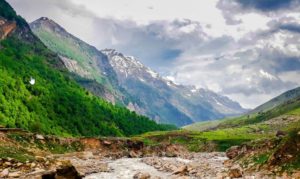
Shounter Valley is another beautiful sub valley of Neelam Valley, Azad Kashmir, Pakistan.

It lies at an altitude of 3,100 m above sea level This beautiful Valley has surrounding mountains and glacial waters, mountains and green grass. It’s distance from Islamabad City is 400 km.

6)    Shimshal Valley
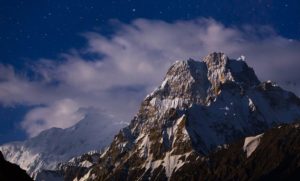
Shimshal is a beautiful valley which is located in Gojal Tehsil, Hunza District, Gilgit–Baltistan in northern areas of Pakistan. It lies at an altitude of 3,100 m above sea level and it is the beautiful highest settlement in the district.

It’s distance from Islamabad city is 680 km. It has a border village that connects the Gilgit-Baltistan with China.

The total area of this beautiful Shimshal Valley is approximately 3,800 km and around two thousand inhabitants with a total of 240 households.

7. Neelam Valley
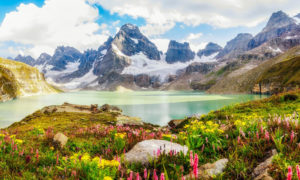
Neelam Valley is the one of the top most beautiful valley in northernmost region of Azad Kashmir, Pakistan. It is a huge valley with beautiful places, Karen, Sharda, Kel, Arang Kel and Taobat are most beautiful visiting points. There is beautiful river which is called Neelam river throughout the valley.

Beautiful Muzaffarabad City is situated on the river side which is 127 km away from Islamabad.

It has beautiful waterfalls like Dhani Waterfall, it’s distance from is Muzaffarabad City 33 km. Another beautiful Kutton waterfall, it’s distance from Muzaffarabad City is 60 km. This Valley lies at an altitude of 1,615 meters (5,299 feet) above sea level.

In Winter season mostly mountains are covered from snow and in summer beautiful greenery enrich the beauty of Neelam Valley.

8. Kumrat Valley
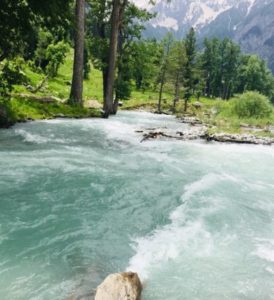
Kumrat is another beautiful valley in opposite side of Neelam Valley in Upper Dir District of Khyber Pakhtunkhwa, Pakistan. It lies at an altitude of 2,359 meters (7740 ft.) above sea level.

It’s distance from Islamabad is 385 km. It is located around 40 minutes away from a beautiful town of Thal Village. It is the recent attraction places for the visitors.

Kumrat has beautiful forest, cool river, high peaks, beautiful lakes and beautiful hiking treks. In Summer season numbers of tourists from all over the worlds come to visit to Kumrat valley and enjoy the greenery and fresh cool weather.

There is Panjkora river located on level ground forest. It is an ideal place for enjoy camping and fishing.

9. Kaghan Valley
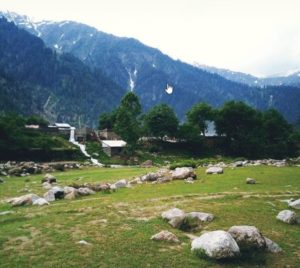
Naran is another beautiful in upper Kaghan Valley which is located in Mansehra District of Khyber Pakhtunkhwa, Pakistan. It lies at an altitude of 2,409 meters (7,904 ft.) above sea level. It is around 280 km away from Islamabad City.

Kaghan Valley is an example of beauty and beauty, but if you want to enjoy nature and listen to the silence, stop at any place ahead of Naran, in front of you are numerous scenes.

Knowing that you will have no choice but to stop, one of the beautiful destinations, it has magnificent and lush field on the two sides, after crossing Lulosar on the way to Babusar.

In the upper mountains and sides, small streams and springs hold the viewer in their grip, leaving the liver free of the kidney. The task is that the servant feels himself mentally and spiritually even after his return, and his dreams are always sought after.

After visiting this place, you will suffer from fatigue and discomfort instead of being overwhelmed by the beauty of nature.

10. Naltar Valley
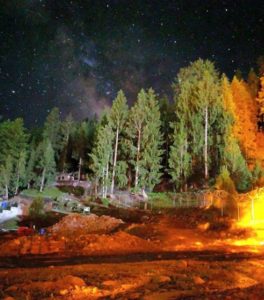
Naltar is a beautiful valley near Gilgit, Hunza, Gilgit Baltistan, Pakistan. There is a jeep track and 40 km away from Gilgit.

Naltar is a forested region, it’s distance from Islamabad city is 560 km. It lies at an altitude of 2,359 meters (7740 ft.) above sea level.

Ski competitions can be found commonly at Naltar ski resort. It is one of the famous tourist attractions in Northern areas of beautiful Pakistan. The valley has a variety of fauna, flora as well as natural scenery.

There are number of rest houses recently established there by the help of Government, accommodation facilities & hotels are easily available in the valley.

FAQs

Q: Is Pakistan safe for tourists?

A: While certain regions may have travel advisories, many parts of Pakistan are safe for tourists. It’s advisable to check the latest travel updates and follow local guidelines.

Q: What is the best time to visit Pakistan?

A: The best time to visit varies by region. Generally, spring (March to May) and autumn (September to November) are pleasant for most areas, while summer can be ideal for northern regions.

Q: Are there restrictions for women travelers in Pakistan?

A: Women travelers should dress modestly, especially in conservative areas. It’s recommended to research and respect local customs. In urban areas, there are generally fewer restrictions.

Q: Can I get a visa on arrival in Pakistan?

A: Pakistan offers a visa on arrival for citizens of several countries. However, it’s advisable to check the latest visa regulations and consider obtaining a visa in advance.

Q: What are some adventure activities in Pakistan?

A: Pakistan offers a range of adventure activities, including trekking in the Karakoram Range, white-water rafting in Swat Valley, and exploring the diverse landscapes.

Q: How can I travel between major tourist destinations in Pakistan?

A: Pakistan has a network of domestic flights, trains, and buses. Private transportation options, including taxis and car rentals, are also available.

Q: Are there cultural etiquettes to be aware of when visiting historical sites?

A: Yes, it’s respectful to dress modestly, remove shoes before entering religious sites, and seek permission before taking photographs, especially of locals.

Q: What are the must-try dishes in Pakistani cuisine?

A: Biryani, Seekh Kebabs, Nihari, and Chapli Kebabs are among the delicious dishes to try. Each region has its specialties, so exploring local cuisine is highly recommended.

Q: Can I use credit cards in Pakistan?

A: While credit cards are accepted in major urban areas, it’s advisable to carry some cash, especially in rural or remote locations where cash transactions are more common.

Q: How can I stay informed about the latest travel updates in Pakistan?

A: Stay updated by checking travel advisories from your country’s embassy, local news, and official tourism websites. Reliable travel apps and forums can also provide real-time information from fellow travelers.

Wind Up Lines

In the enchanting realm of Pakistani tourism, these top 10 attractions stand as captivating testaments to the nation’s rich heritage and breathtaking landscapes. From the regal Lahore Fort to the serene shores of Lake Saif-ul-Mulook, each destination weaves a unique tale, inviting travelers to explore the tapestry of Pakistan’s beauty. So, let these wonders be your guide as you embark on a journey filled with history, culture, and natural splendor. Pakistan awaits, ready to unveil its treasures to those who seek the extraordinary. Discover, immerse, and relish the magic of these top 10 attractions in the heart of South Asia.