

Pakistan is bigger than first-time visitors expect, and the distances are the single
biggest constraint on an itinerary. Karachi
to Lahore is roughly 1,200
kilometres. Islamabad to Skardu is
a long, spectacular day on the road in good conditions, and considerably more in bad ones.
Decide how you are moving before you decide what you are seeing.
There are four realistic options, and most trips use three of them.
Domestic flights
Flying is how most people cover the long legs. Pakistan International Airlines, Airblue
and SereneAir run the domestic network, with the main hubs at Jinnah International in
Karachi, Allama Iqbal International in Lahore and Islamabad International. The routes that
matter to visitors are the trunk connections between the big cities and the mountain
services into Gilgit and Skardu.
The mountain flights deserve a warning. They are flown visually and cancel readily in
cloud, and in winter and heavy monsoon they can be grounded for days at a time. The flight
into Skardu is one of the great scenic flights anywhere, but never build a schedule where a
missed northern flight breaks the trip. Keep the road as a fallback and spare days either
side.
Intercity buses
Buses are the backbone of intercity travel and what most Pakistanis actually use. On the
main corridors the coaches are comfortable, air conditioned, frequent and inexpensive, and
they reach the many places that have no airport. Seats can be reserved online through
services such as Bookme.pk rather than queuing at a terminal.
For a visitor this is usually the best value option on any route under about eight hours,
and often more reliable than the equivalent train. Overnight services exist, though a
daylight departure is the safer choice on mountain routes.
Trains
Pakistan Railways connects Karachi, Hyderabad, Multan, Lahore, Rawalpindi,
Peshawar and
Quetta, along with a long
list of smaller towns. Fares are very low, and some routes, particularly through the Bolan
and up the Indus, are genuinely memorable journeys.
Be realistic about the trade-off. Trains are slower than the bus, delays of several hours
are ordinary rather than exceptional, and the lower classes are extremely crowded. If you
take the train, book an air-conditioned class, carry your own food and water, and treat the
timetable as a suggestion. Take it for the experience of the journey, not to arrive on time.
Cities and short hops
Lahore and the Islamabad-Rawalpindi corridor have metrobus lines, and Karachi has the
Green Line bus rapid transit. All are cheap and useful along their corridors.
For everything else in a city, ride-hailing has largely solved the problem. Uber, Careem
and InDrive all operate in the major cities, and they remove both the language barrier and
the fare negotiation. Rickshaws remain useful for short distances and are cash only, as are
many local buses, so keep small notes.
Hired cars and the mountains
Once you leave the trunk routes, the normal arrangement is a car with a driver, hired for
the stretch rather than by the day. This is how most people do the
Karakoram Highway,
Hunza,
Kaghan and
Swat, and it is the single biggest line in
most budgets.
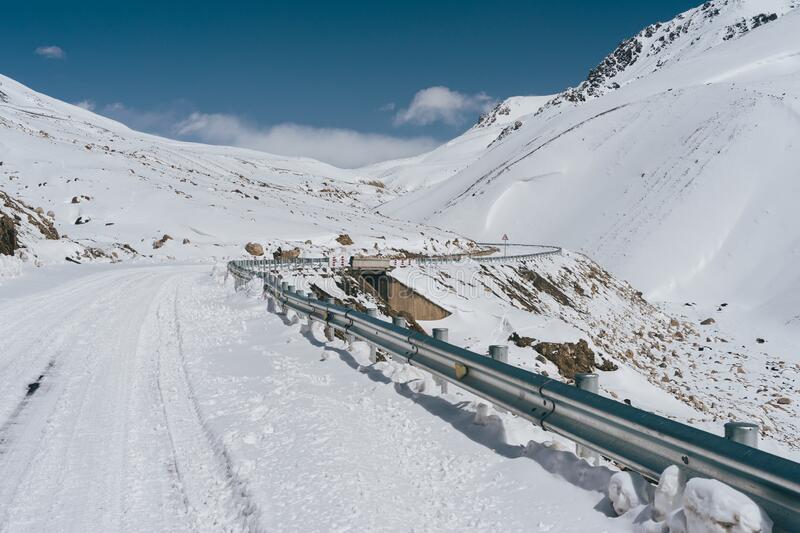
It is worth paying for. Mountain roads are narrow, weather dependent and often shared
with far more confident local drivers, and a driver who knows the road is a safety measure
rather than a luxury. For the higher valleys and rougher tracks, ask specifically for a 4×4
rather than a saloon car, and confirm whether the price includes the driver’s food and
accommodation.
Practical points that save trouble
- Road times are optimistic. Distances in the mountains translate badly
into hours. Assume the estimate you are given is the best case. - Travel mountain roads in daylight. This is the most useful single rule
in Pakistani travel. - Carry cash. Card acceptance thins out quickly outside cities, and
rickshaws and local transport are cash only. - Build slack in the monsoon. Between July and September, landslides
close northern roads for hours or days. See
the seasonal guide for what that means month by month. - Get a local SIM on arrival. Ride-hailing, bus booking and maps all
depend on data.
How long the main journeys actually take
Rough guidance for planning, assuming reasonable conditions. Treat every road figure as a
best case and add margin in the monsoon.
- Islamabad to Lahore: about 4 hours by motorway coach, 45 minutes by air.
- Lahore to Karachi: roughly 2 hours by air. By road it is an overnight
journey and by train considerably longer than the timetable claims. - Islamabad to Naran: most of a day, and the final section is seasonal.
- Islamabad to Gilgit: a very long day on the Karakoram Highway, usually
broken overnight at Chilas or Besham. - Gilgit to Hunza: around 2 to 3 hours, one of the best short drives
anywhere. - Islamabad to Skardu: a full day or more by road, or a short flight that
is frequently cancelled.
The pattern to notice is that road time in the mountains bears almost no relation to
distance. Plan by hours, never by kilometres.
Choosing between the options
A simple decision rule covers most journeys. If the leg is over roughly 700 kilometres
and connects two big cities, fly. If it is between cities within a region, take a coach. If
it leaves the trunk network for a valley, hire a car with a driver. If the journey itself is
the attraction, take the train and give it a whole day.
The one combination to avoid is a tight itinerary that depends on a northern flight in
winter or monsoon. That is the single most common way a Pakistan trip falls apart.
Common questions
Can you drive yourself in Pakistan?
You can, and self-drive rental exists in the big cities, but very few visitors do. Driving norms are assertive, signage is inconsistent and mountain roads are demanding. A car with a driver usually costs little more than a rental once fuel is counted, and it buys local road knowledge that is genuinely a safety feature.
Is it better to fly or drive to Skardu and Gilgit?
Fly if you value time and can absorb a cancellation, drive if you want the Karakoram Highway itself, which is one of the great road journeys. Many people fly one way and drive the other, which is the best of both and removes the cancellation risk from the return leg.
Are buses in Pakistan safe and comfortable for foreigners?
On the main intercity corridors, yes. The larger operators run modern air-conditioned coaches with reserved seating, and they are widely used by Pakistani families. Local and rural minibuses are a different and much rougher proposition.
Do ride-hailing apps work in Pakistan?
Uber, Careem and InDrive operate in the major cities and are the easiest way to move around them. Coverage thins outside the cities, and in the northern valleys you are back to arranging a car locally.
How do you book intercity bus tickets?
Online through platforms such as Bookme.pk, or directly at the operator’s terminal. Booking ahead matters around Eid and through the summer peak in the north.
Last thoughts on getting around Pakistan
The pattern that works for most trips is simple: fly the long legs between regions, take
buses between cities within a region, and hire a car with a driver once you are into the
mountains. Trains are for when the journey itself is the point. Fit the itinerary to that
rather than the other way round, and the country becomes much easier than the map suggests.
The rest of the practical planning is in our
guide to planning a trip to Pakistan.

