

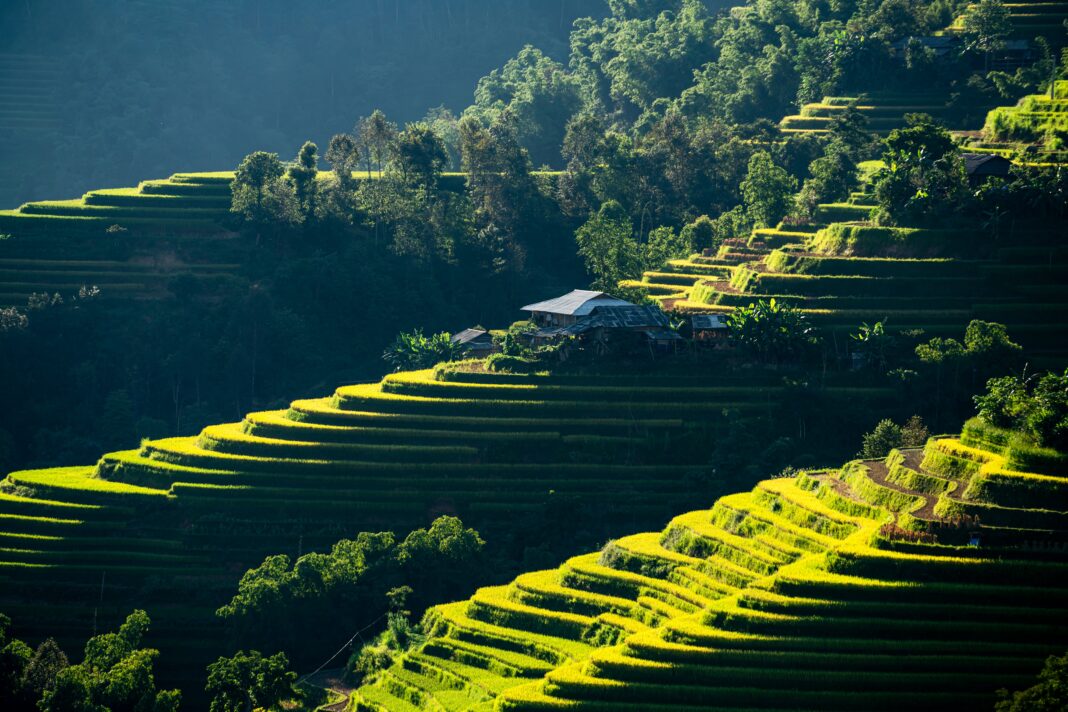
Pakistan asks more planning of a visitor than most countries its size, and not for the
reasons people expect. The difficulty is not paperwork or danger. It is that the country
runs two climates at once. While the Karakoram passes are under snow, Sindh is warm and
dry; while Lahore is at 45 degrees in June, Hunza is at its best. Almost every planning
mistake we see comes from treating Pakistan as one destination with one season.
This guide covers the practical questions in order: when to come, how to move around,
whether you need a permit, what it costs, how safe it actually is, and what to know before
you sit down to eat. Each section links through to the places themselves.
When to visit Pakistan
If you want one answer: October and November. Autumn is the only period
when the northern valleys and the southern plains are both comfortable at the same time.
Temperatures across most of the country sit roughly between 10 and 30 degrees, the skies
are clear after the monsoon has passed, and the valleys turn colour.
The longer answer depends on where you are going.
- The northern mountains (Hunza,
Skardu,
Swat,
Kaghan) are broadly open from
April to October. High passes and the roads into the upper valleys are the first things to
close and the last to reopen. - The plains and the south (Lahore, Multan, Karachi, Tharparkar) are at
their most pleasant from October to March. Summer on the plains is genuinely punishing. - Spring, mid-March to mid-May, brings blossom through the mountain
valleys and mild weather for sightseeing, though the highest routes are still shut. - Monsoon, July to September, concentrates the year’s rain. In the north
this means a real risk of landslides and washed-out roads rather than simply wet days. Build
slack into any itinerary crossing mountain roads in these months. - Winter, December to February, closes roads into Hunza, Skardu and
Naran with snow and ice, and is the right time for the south, the cities and the
archaeological sites.
The practical rule: if your trip is built around mountains, come between April and
October and accept the monsoon risk in the middle of it. If it is built around cities,
history and the coast, come between October and March. If you want both, come in autumn.
Our month by month guide to the best time to visit Pakistan breaks this down further, including what the monsoon actually does to mountain roads.
Getting around
Pakistan is large and the distances between the places people want to see are long.
Islamabad to Skardu is a full day by road in good conditions. Karachi to Lahore is roughly
1,200 kilometres. Plan transport before you plan an itinerary.
Domestic flights
Flying is the usual way to cover the long legs. Pakistan International Airlines, Airblue
and SereneAir operate the domestic network, with the main hubs at Jinnah International in
Karachi, Allama Iqbal International in
Lahore, and Islamabad
International. The northern routes, particularly into Skardu and Gilgit, are weather
dependent and cancel often in winter and during heavy monsoon. Never book a northern flight
as the only link in a tight schedule.
Intercity buses
Buses are the backbone of intercity travel and the option most Pakistanis use. Coaches on
the main corridors are comfortable and inexpensive, and seats can be reserved online through
services such as Bookme.pk rather than at the terminal. This is usually the most reliable
way to reach places without an airport.
Trains
Pakistan Railways connects Karachi, Hyderabad, Multan, Lahore, Rawalpindi,
Peshawar and
Quetta along with many
smaller towns. Trains are cheap and scenic on some routes, but they are slower than the bus,
frequently late, and crowded in the lower classes. Book an air-conditioned class if you use
them for a long leg.
Cities and short hops
Lahore and the Islamabad-Rawalpindi corridor have metrobus lines, and Karachi has the
Green Line bus rapid transit. Ride-hailing is widespread in the major cities through Uber,
Careem and InDrive, and it removes the need to negotiate fares. Rickshaws and many local
buses are cash only, so keep small notes on you. For the mountains, the normal arrangement
is a hired car with a driver, booked for the stretch rather than the day.
There is more detail in our guide to getting around Pakistan, including realistic journey times and when to choose each option.
Permits and the NOC question
This is the most misreported subject in Pakistan travel writing, so be careful what you
read, including older articles.
The blanket No Objection Certificate requirement for foreign tourists
was abolished in 2019 as part of a new visa policy. Most visitors do not
need a permit for the places they actually want to see. Islamabad, Lahore, Karachi, Hunza,
Skardu, Gilgit-Baltistan generally, Azad Kashmir and Chitral are open.
What remains restricted is narrower and specific: prohibited and restricted zones inside
cantonments, areas close to the Line of Control, some valleys along the Afghan frontier, and
certain high-altitude trekking and mountaineering routes. Restricted areas are signposted.
Where an NOC is still required, applications are made through a Pakistani tour or trekking
operator licensed with the Pakistan Tourism Development Corporation. Allow 7 to 14 working
days for processing and apply around three weeks ahead, because delays are normal.
If your plan is valleys, cities and heritage sites, you almost certainly need nothing. If
it involves serious trekking or
anything near a frontier, confirm the current position with a licensed operator before you
book flights. Rules here change with the security situation, and a guide written last year
may already be wrong.
For the full position, including what is still restricted and how to apply, see do you need a permit or NOC to travel in Pakistan.
What a trip costs
Pakistan is inexpensive by the standards of most visitors. Reported daily spends cluster
in a fairly narrow band:
- Budget: roughly 10 to 32 US dollars a day, with about 24 as the common
average. Guesthouses, local food, buses and shared transport. - Mid-range: around 60 dollars a day. Ordinary hotels, restaurant meals,
paid entry to the main sites, some domestic flights. - Higher end: around 145 to 150 dollars a day for good hotels, private
vehicles with a driver and guided arrangements.
Food is where the gap is widest. A meal at a local dhaba often stays under 500 rupees,
while a restaurant meal in an Islamabad or Karachi business district costs several times
that. Simple guesthouses start around 500 to 750 rupees a night. The expensive items in a
Pakistan trip are almost always domestic flights and hired vehicles, not accommodation or
food.
Carry cash. Card acceptance is good in city hotels and chain restaurants and poor
everywhere else, and it thins out quickly as you move north.
We break the numbers down further, with a worked two week example, in what a trip to Pakistan costs.
Is Pakistan safe
Pakistan’s reputation and a visitor’s actual experience are far apart, and being honest
about both matters more than reassurance.
The northern areas, which is where most tourism happens, are widely regarded as among the
safest parts of the country. Incidents involving foreign tourists are rare, tourist areas
are monitored, and a large number of solo travellers, including solo women, report
straightforwardly positive trips. Hospitality toward visitors is genuine and often
overwhelming.
The real risks are ordinary rather than dramatic. Petty crime exists across the country,
and street crime in Karachi is a daily reality, particularly phone snatching from motorcycles.
Road safety is a greater practical danger to most visitors than anything else, especially at
night and on mountain roads. Some regions, principally parts of Balochistan and areas along
the Afghan border, carry genuine security restrictions and are not casual destinations.
The sensible approach is regional rather than national. Check your own government’s
current travel advisory, plan around the areas it flags, move between cities in daylight,
and use a local guide where you are unsure. Treating the whole country as dangerous is
wrong; treating all of it as equally safe is also wrong.
Our longer answer, covering solo travel, health, altitude and how to read a travel advisory, is in is Pakistan safe for travellers.
Food and behaving well
Food is one of the strongest reasons to come. Expect wheat breads at almost every meal,
slow-cooked meat, rice dishes, lentils, and sweets that are far sweeter than most visitors
are used to. Tea, taken strong and milky, is offered constantly and refusing every cup is
read as coldness.
A few things save awkwardness. Eat and pass with the right hand. Dress modestly, which
matters more for women and more outside the big cities, and carry a scarf for mosques and
shrines. Ask before photographing people, especially women. Ramadan changes daytime eating
in public. Hospitality tends to be insistent, and an invitation to tea or a meal is usually
sincere rather than a preface to a sale.
The dishes worth seeking out, regional differences and the courtesies that matter are covered in Pakistani food and etiquette for visitors.
Where to start
Most first trips resolve into one of three shapes. A northern loop through
Hunza and
Skardu, usually along the
Karakoram Highway. A cultural route
through Lahore,
Taxila and the Indus valley sites
at Mohenjo-daro. Or a valley trip into
Swat,
Chitral and the Kalash valleys or
Neelum.
If you would rather browse by region first, our guides are organised that way, from
Gilgit-Baltistan and Khyber Pakhtunkhwa down through Punjab and Sindh to Balochistan and
Azad Kashmir. There is also a broader
complete travel guide to Pakistan and an
overview of the country if you are still deciding
whether to come at all.
If you would rather start from the places themselves, our list of the 25 most beautiful places in Pakistan runs north to south with a full guide behind every entry.
Last thoughts on planning a trip to Pakistan
Pick the season for the half of the country you actually want to see, book the long legs
before the details, check permit requirements only for frontier and high-altitude plans, and
budget for transport rather than for hotels. Do that and the rest of the trip tends to look
after itself, largely because the country is cheaper, easier and more welcoming than its
reputation prepares you for.

