

Pakistan holds a run of landscape that few countries can match in the same border: five
of the world’s fourteen peaks above 8,000 metres, a coastline on the Arabian Sea, the oldest
planned cities in South Asia, and forests, deserts and glaciers within a day of each other.
The problem for a visitor is not finding beautiful places. It is choosing between them.
This is our list of the most beautiful places in Pakistan, drawn from the guides we have
written region by region. It runs north to south, from the Karakoram down through the
valleys and the Punjab plain to the Indus sites and the Makran coast, because that is how
the country actually changes as you move through it. Every entry links to a full guide if
you want the detail.
Gilgit-Baltistan
1. Hunza Valley
Region: Gilgit-Baltistan | Best time: April to October, blossom late March to April | Nearest base: Gilgit
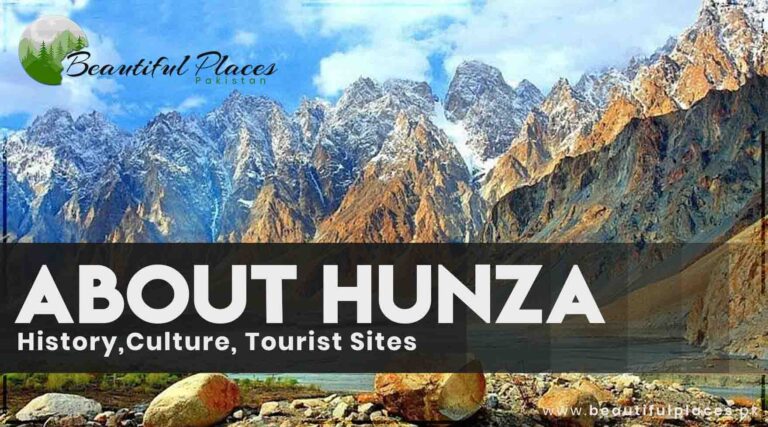
The valley most people picture when they picture Pakistan. Hunza sits below Rakaposhi and Ultar Sar, terraced with apricot and cherry orchards, and holds the restored Baltit and Altit forts above Karimabad. Spring blossom in late March and April and the autumn colour in October are the two moments worth planning around. The turquoise of Attabad Lake, formed by a landslide that dammed the river in 2010, is now one of the most photographed stretches of the Karakoram Highway. Read the full guide to Hunza Valley.
2. Skardu and the Kachura Lakes
Region: Gilgit-Baltistan | Best time: May to October | Nearest base: Skardu town
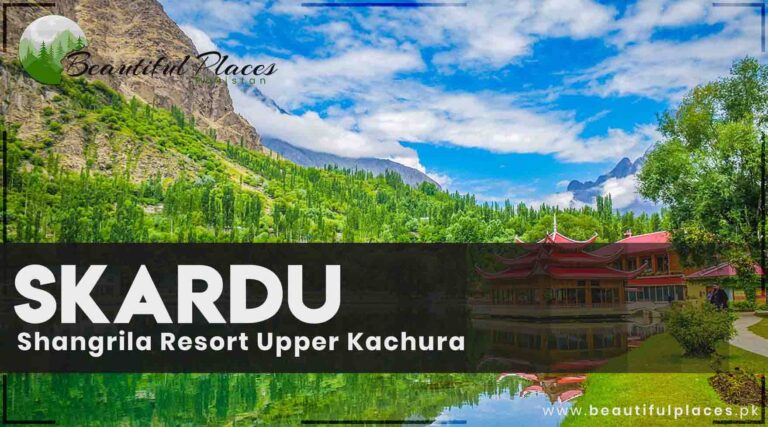
Skardu is the staging point for Baltistan and for the expeditions that walk in toward K2 and the Baltoro glaciers. Around the town are the Kachura lakes, the lower one better known as Shangrila, and Satpara above them. The valley floor is wide, sandy and unexpectedly desert-like given the peaks around it, and the cold desert at Sarfaranga is one of the strangest landscapes in the country. Read the full guide to Skardu and the Kachura Lakes.
3. Fairy Meadows and Nanga Parbat
Region: Gilgit-Baltistan | Best time: May to October | Nearest base: Raikot Bridge on the KKH
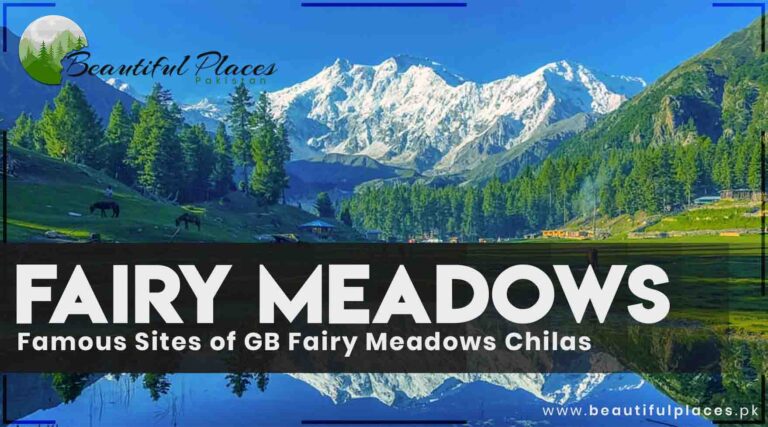
A meadow at around 3,300 metres facing the Rakhiot face of Nanga Parbat, the ninth highest mountain on earth. Getting there is part of it: a jeep track up from the Karakoram Highway near Raikot Bridge, then a walk or pony ride to the meadow itself. There is nowhere in Pakistan where a mountain of that scale sits so directly in front of you. The season is short, roughly May to October. Read the full guide to Fairy Meadows and Nanga Parbat.
4. Deosai National Park
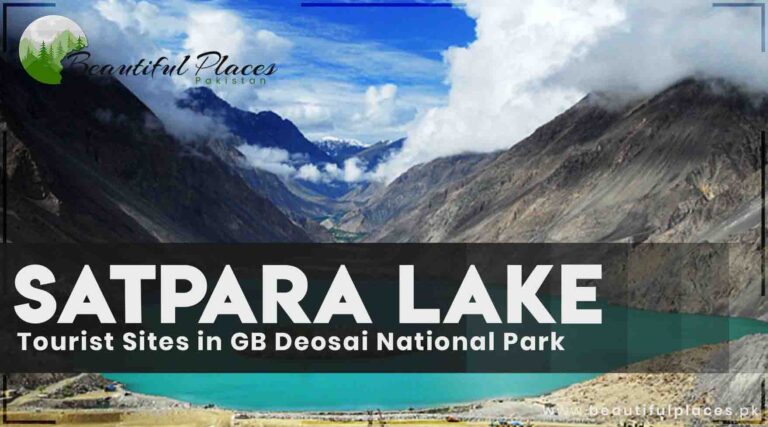
Region: Gilgit-Baltistan | Best time: July to September only | Nearest base: Skardu or Astore
A high plateau above 4,000 metres, called the Land of Giants, that stays under snow for much of the year and turns to wildflower meadow for a few weeks in summer. Sheosar Lake sits near its edge with Nanga Parbat on the horizon. Deosai is one of the last strongholds of the Himalayan brown bear. Access is roughly July to September, from Skardu or over the pass from Astore. Read the full guide to Deosai National Park.
5. Khaplu
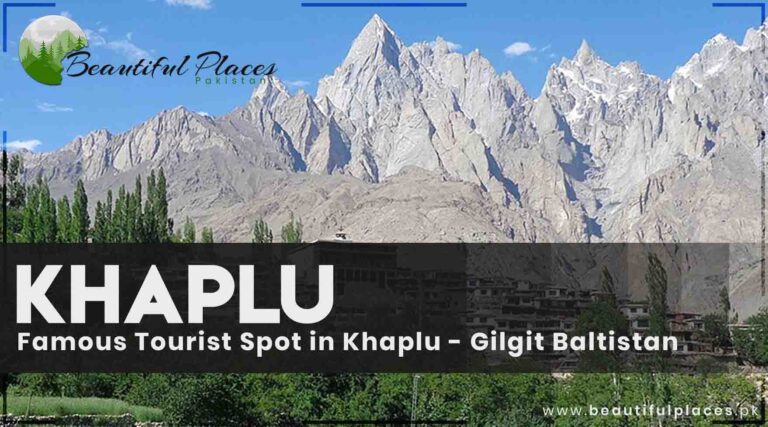
Region: Gilgit-Baltistan | Best time: May to October | Nearest base: Skardu, about 100 km west
East of Skardu along the Shyok river, Khaplu is quieter than the main valley and keeps a stronger sense of old Baltistan. The restored Khaplu Palace is the landmark, and the Chaqchan mosque nearby dates back centuries. It is also the way in to the Hushe valley and the approach to Masherbrum, which makes it a base for trekkers as well as a destination in itself. Read the full guide to Khaplu.
6. The Karakoram Highway
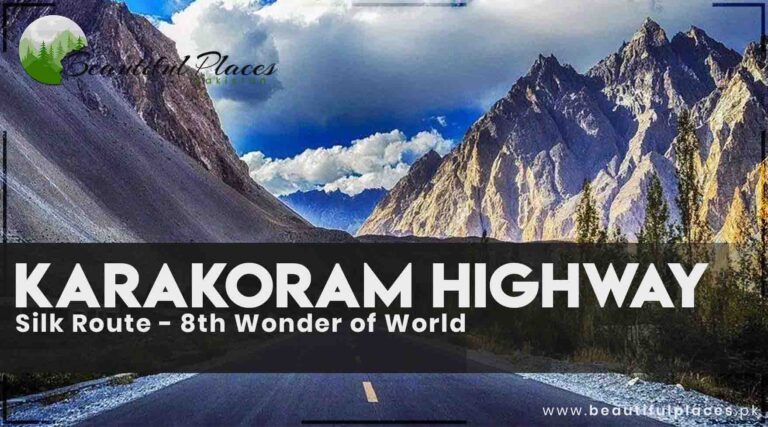
Region: Gilgit-Baltistan | Best time: May to November for the Khunjerab Pass | Nearest base: Islamabad to Gilgit
Less a road than a destination. The KKH follows the old Silk Route up the Indus and Hunza rivers to the Khunjerab Pass at about 4,690 metres, the highest paved border crossing in the world. It threads between the Karakoram, Himalaya and Hindu Kush, which meet near Jaglot, and the drive from Gilgit to the pass is among the great road journeys anywhere. Open roughly May to November at the top. Read the full guide to The Karakoram Highway.
7. Ghizer and Phander
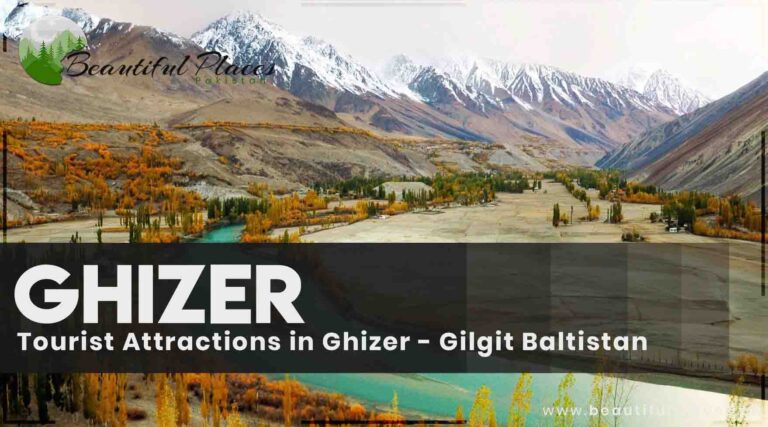
Region: Gilgit-Baltistan | Best time: June to September | Nearest base: Gilgit
West of Gilgit, Ghizer is the valley of trout rivers and quiet lakes that most itineraries miss. Phander Lake, pale green against poplar and willow, is the image people take away. The road continues to Shandur, site of the highest polo ground in the world and its summer tournament. Ghizer rewards travellers who have already done Hunza and want somewhere with fewer vehicles on the road. Read the full guide to Ghizer and Phander.
Khyber Pakhtunkhwa
8. Swat Valley
Region: Khyber Pakhtunkhwa | Best time: April to October | Nearest base: Mingora
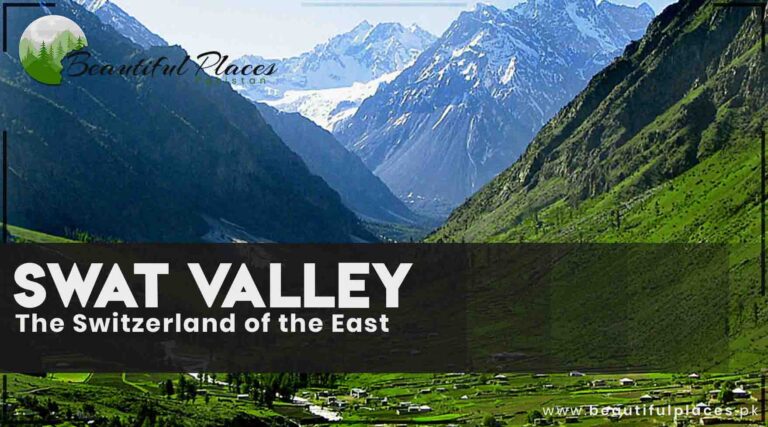
Called the Switzerland of the East, and green in a way the northern deserts are not. Swat is a river valley of terraced fields, forest and orchard, and it carries a deep Buddhist past: this was Gandhara, and stupas and carved rock faces survive throughout the valley. It is also the most accessible of the mountain regions from Islamabad, which makes it the usual first stop for anyone heading north. Read the full guide to Swat Valley.
9. Kalam and Mahodand Lake
Region: Khyber Pakhtunkhwa | Best time: June to September | Nearest base: Kalam, up the Swat valley
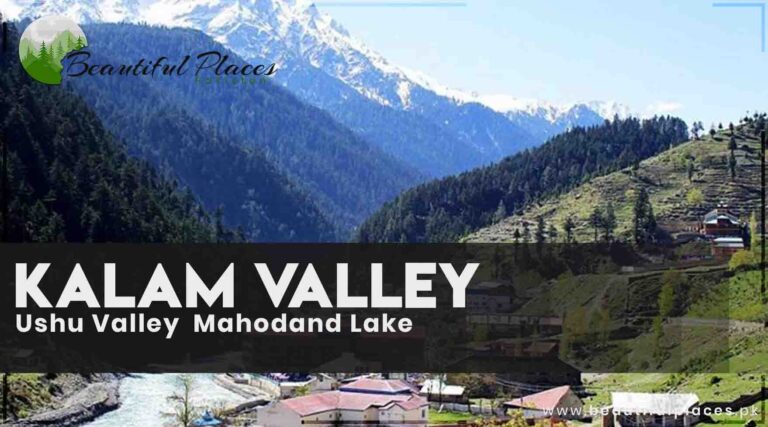
At the top of the Swat valley, Kalam opens into the Ushu and Utror valleys, with deodar forest thick on the slopes. Mahodand Lake sits at the head of the Ushu valley, reached by a rough track that is worth the discomfort. This is high alpine country with meadows and river braids rather than the bare rock of the Karakoram, and it is at its best between June and September. Read the full guide to Kalam and Mahodand Lake.
10. Naran and Lake Saif-ul-Malook
Region: Khyber Pakhtunkhwa | Best time: July to September, Babusar Pass seasonal | Nearest base: Naran
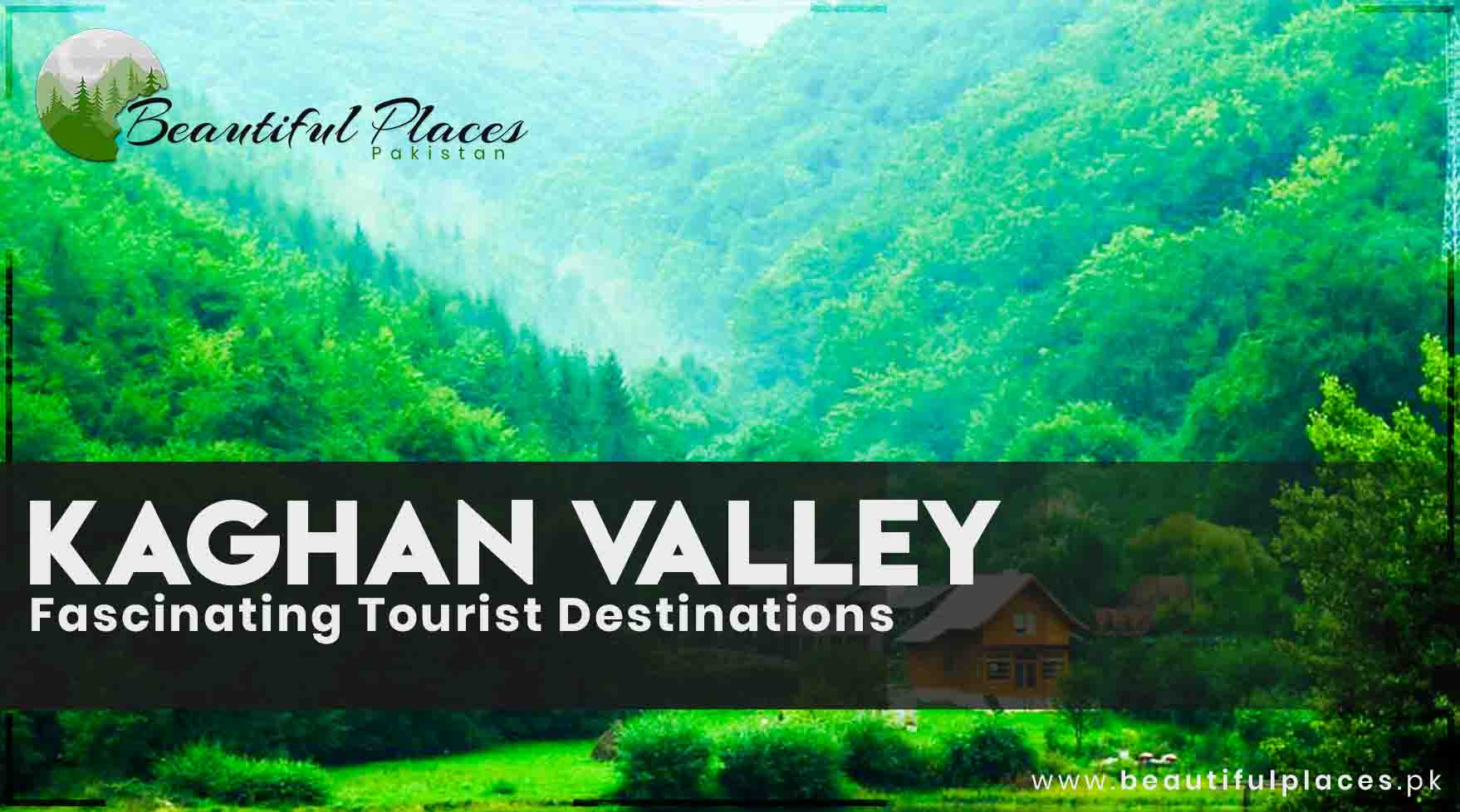
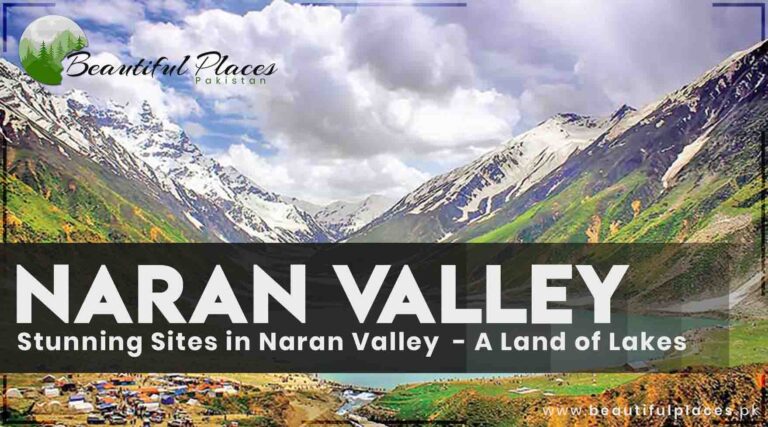
The Kaghan valley’s best known stretch, and the location of Saif-ul-Malook, the lake below Malika Parbat that carries the folk story of the prince and the fairy. Lulusar lies further up the valley, and the road continues over the Babusar Pass to join the Karakoram Highway, which is one of the most satisfying links in the north. The pass is seasonal and normally open from around July. Read the full guide to Naran and Lake Saif-ul-Malook.
11. The Kalash Valleys
Region: Khyber Pakhtunkhwa | Best time: May for Chilam Joshi, or autumn | Nearest base: Chitral
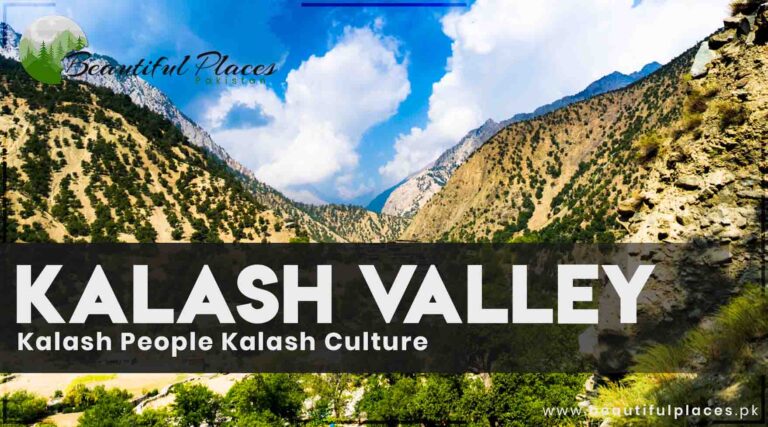
Three valleys near Chitral, Bumburet, Rumbur and Birir, home to the Kalasha, who keep a distinct language, dress and religion unlike anything else in Pakistan. Their festivals, particularly Chilam Joshi in May, are among the few living traditions of their kind left in the region. Visit with care and ask before photographing anyone; this is a small community, not an exhibit. Read the full guide to The Kalash Valleys.
12. Malam Jabba
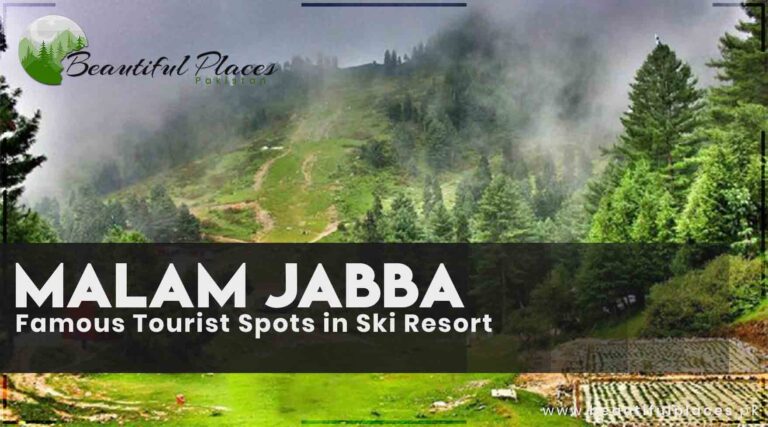
Region: Khyber Pakhtunkhwa | Best time: December to February for snow, summer for the forest | Nearest base: Mingora
Pakistan’s best known ski resort, on a ridge above the Swat valley at around 2,800 metres. Snow cover runs through the winter months, and in summer the same slopes become chairlift rides, walking and forest views across Swat. It is the easiest place in the country to see high mountain scenery without a long or difficult approach. Read the full guide to Malam Jabba.
Azad Kashmir
13. Neelum Valley
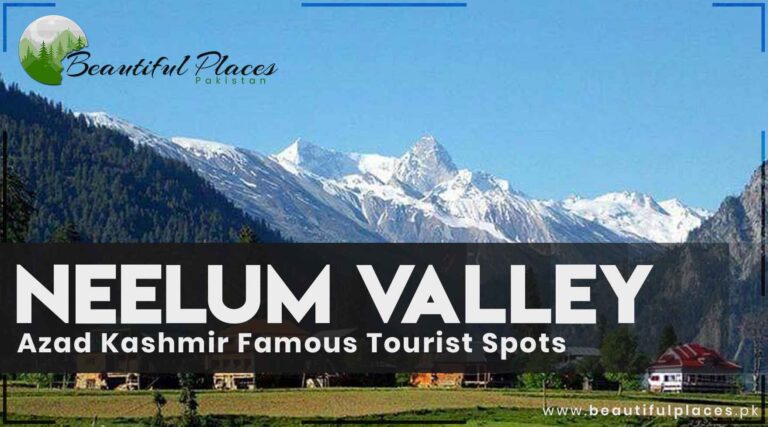
Region: Azad Kashmir | Best time: May to October | Nearest base: Muzaffarabad
A long, narrow valley following the Neelum river northeast of Muzaffarabad, steep-sided and densely forested. Keran, Sharda and Kel string along the road, and above Kel is Arang Kel, a meadow village reached on foot or by chairlift that is one of the loveliest places in the country. Ratti Gali Lake, higher up, is the other reason people come. The season runs roughly May to October. Read the full guide to Neelum Valley.
14. Leepa Valley
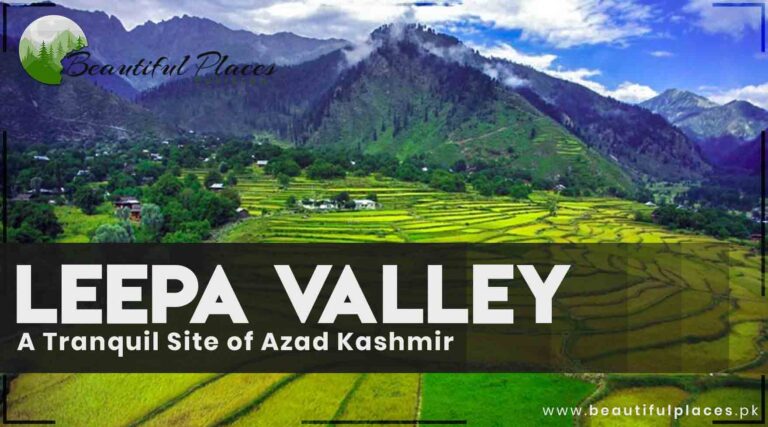
Region: Azad Kashmir | Best time: June to September, the pass is seasonal | Nearest base: Muzaffarabad
Quieter than Neelum and, for many people who see both, the more beautiful. Leepa is a bowl of rice terraces and maize with traditional wooden houses, ringed by forested ridges. Access is restricted at times and the road over the pass is only open in the warmer months, which has kept it far less visited than it deserves. Check the current position locally before setting out. Read the full guide to Leepa Valley.
Islamabad and Punjab
15. Islamabad and the Margalla Hills

Region: Islamabad and Punjab | Best time: September to April | Nearest base: Islamabad itself
The one capital city on this list, and it earns the place through the Margalla Hills that rise straight out of it. Trail walks start within the city, Daman-e-Koh and Pir Sohawa look back over the whole grid, and the Faisal Mosque sits against the hills at the top of the city. It is the usual arrival point for the north and a genuinely green, orderly place to spend a first day. Read the full guide to Islamabad and the Margalla Hills.
16. Murree, Ayubia and Patriata
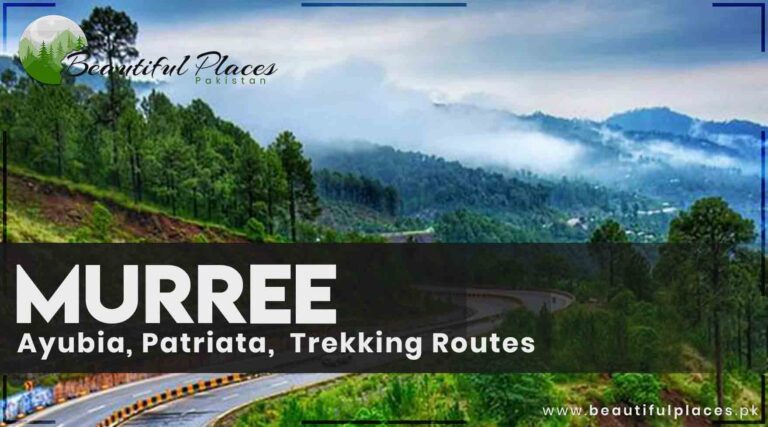
Region: Islamabad and Punjab | Best time: Year round, snow in January | Nearest base: Islamabad, about 60 km
The classic hill station, built by the British as a summer retreat and still the place the plains escape to when the heat arrives. Ayubia National Park nearby has the Pipeline Track through pine forest, and Patriata has the chairlift and cable car. Murree is busy, and that is part of its character; go midweek or out of season if crowds are not what you want. Read the full guide to Murree, Ayubia and Patriata.
17. Taxila
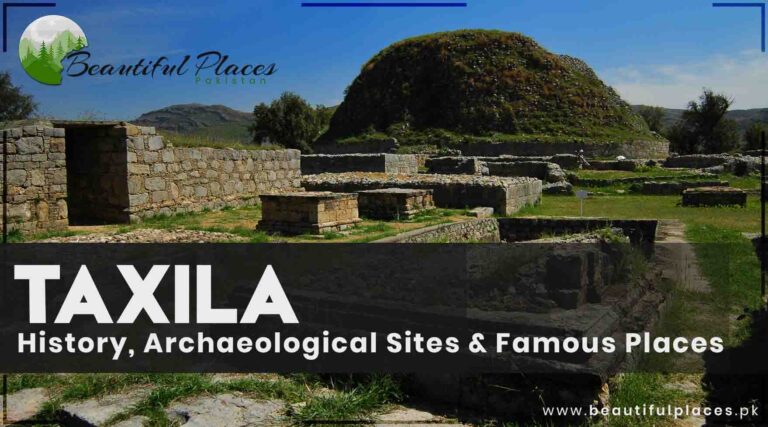
Region: Islamabad and Punjab | Best time: October to March | Nearest base: Islamabad, about 35 km
A UNESCO World Heritage Site and the heart of ancient Gandhara, where Greek, Persian, Buddhist and Central Asian influences met. The remains are spread across several sites, including the city of Sirkap, the Dharmarajika stupa and the monastery at Jaulian, with the museum holding the sculpture that makes sense of them. An easy day from Islamabad and one of the most significant archaeological landscapes in Asia. Read the full guide to Taxila.
18. The Salt Range and Khewra
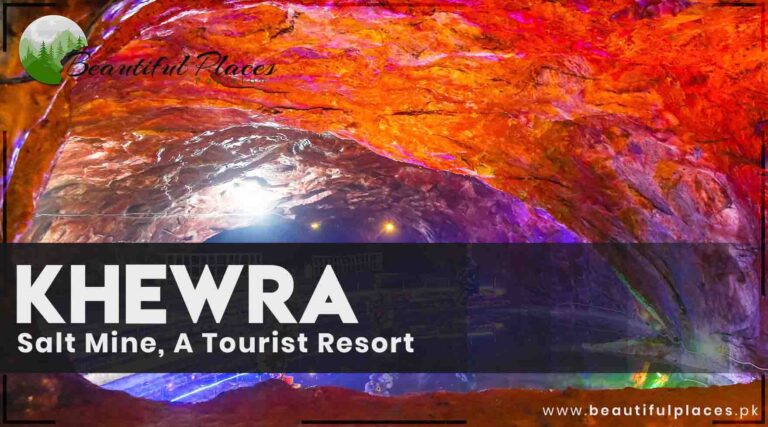
Region: Islamabad and Punjab | Best time: October to March | Nearest base: Islamabad or Lahore
A line of low, eroded hills between the Potohar plateau and the plain, holding the Khewra salt mine, widely described as the second largest in the world, where chambers and a salt mosque sit deep inside the hill. Nearby, the Katas Raj temple complex around its sacred pool is one of the most important Hindu sites in Pakistan. A very different landscape to anything further north. Read the full guide to The Salt Range and Khewra.
19. Lahore

Region: Islamabad and Punjab | Best time: October to March | Nearest base: Lahore itself
The cultural capital, and the densest concentration of Mughal architecture in the country. The Lahore Fort and Shalimar Gardens are jointly a World Heritage Site, the Badshahi Mosque faces the fort across the Hazuri Bagh, and the tiled facade of the Wazir Khan Mosque inside the walled city is the finest of its kind anywhere. Add the food, and most visitors wish they had given Lahore longer. Read the full guide to Lahore.
Sindh
20. Mohenjo-daro
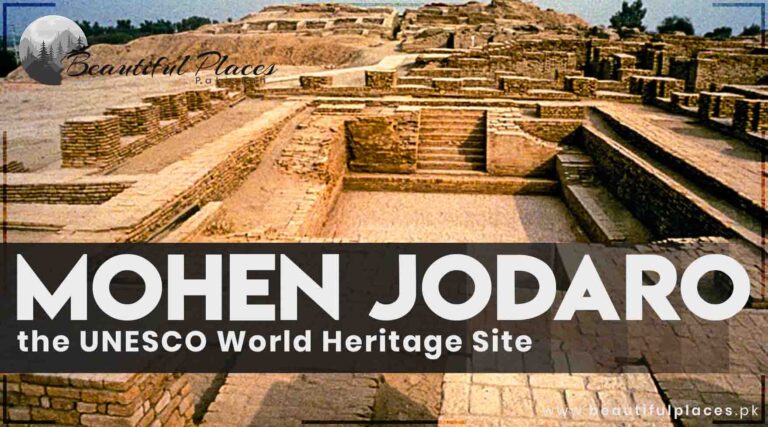
Region: Sindh | Best time: November to February | Nearest base: Larkana
One of the largest cities of the Indus Valley Civilisation, built around 2500 BCE and abandoned roughly a thousand years later. What survives is a planned city of fired brick with streets on a grid, a drainage system, a granary and the Great Bath, all of it thousands of years older than anything else on this list. A UNESCO World Heritage Site, and best visited between November and February. Read the full guide to Mohenjo-daro.
21. Thatta and Makli
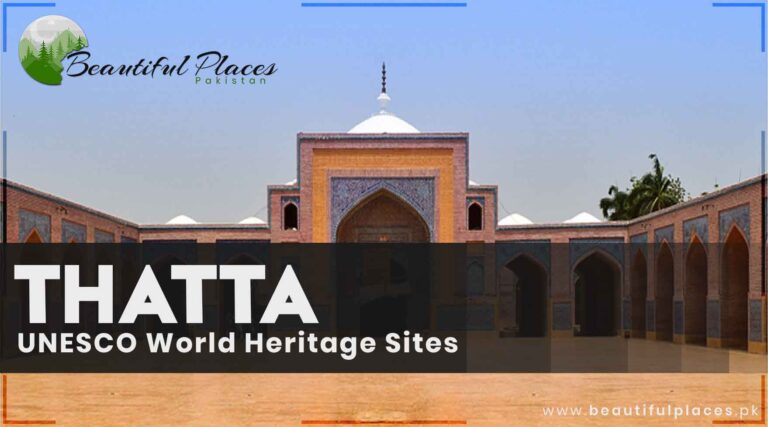
Region: Sindh | Best time: November to February | Nearest base: Karachi, about 100 km
The Makli necropolis outside Thatta is one of the largest funerary sites in the world, a field of carved stone tombs and mausoleums spread over several kilometres and listed by UNESCO. In the town itself, the Shah Jahan Mosque is covered inside with blue and white tilework and has acoustics that carry a voice the length of the prayer hall without amplification. Read the full guide to Thatta and Makli.
22. Karachi and the coast

Region: Sindh | Best time: November to February | Nearest base: Karachi itself
Not beautiful in the way a valley is, but no honest list of Pakistan leaves out its largest city. Karachi has the Arabian Sea at Clifton and Hawke’s Bay, the colonial-era architecture of Saddar, Mohatta Palace, and the best and most varied food in the country. It is loud, enormous and unlike anywhere else in Pakistan, and it is where a great deal of the country’s energy sits. Read the full guide to Karachi and the coast.
Balochistan
23. Kund Malir and Hingol
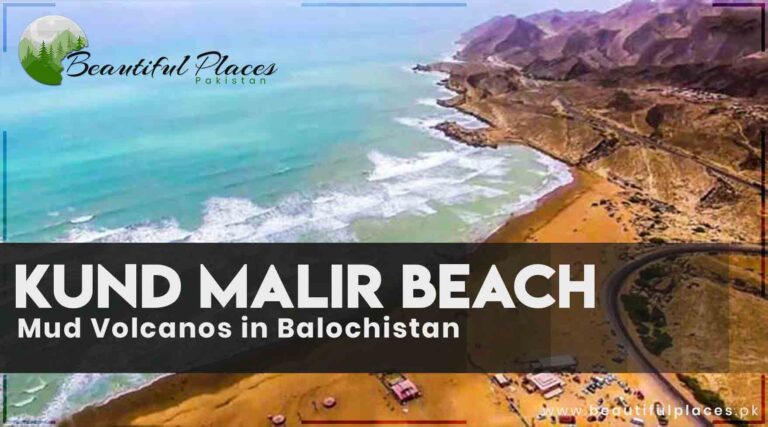
Region: Balochistan | Best time: November to February | Nearest base: Karachi, about 240 km
Along the Makran Coastal Highway, Kund Malir is a beach where desert hills drop almost to the water. It sits inside Hingol National Park, the largest in Pakistan, which holds active mud volcanoes, the wind-carved rock known as the Princess of Hope, and the Hinglaj Mata temple, a major Hindu pilgrimage site. The drive from Karachi is one of the most spectacular coastal roads in Asia. Read the full guide to Kund Malir and Hingol.
24. Gwadar
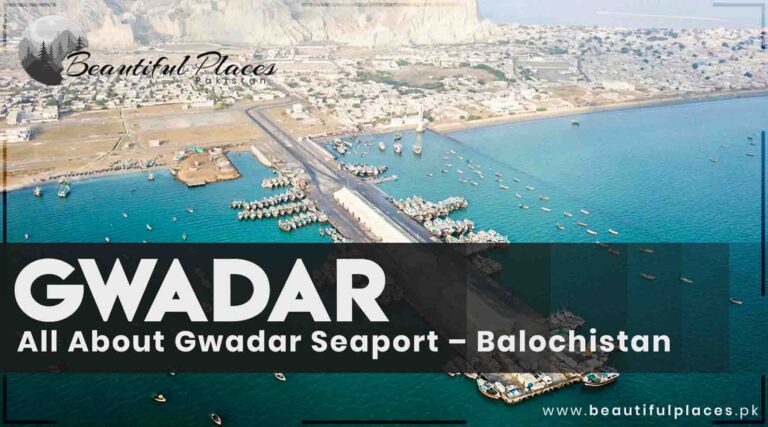
Region: Balochistan | Best time: November to February | Nearest base: Gwadar, or fly from Karachi
A deep-water port on the Makran coast, set against the flat-topped Koh-e-Batil headland that gives the town its distinctive hammerhead shape on a map. The beaches either side are long and largely empty, and the coastal rock formations around Ormara and Astola island further east are among the least visited landscapes in the country. Best between November and February. Read the full guide to Gwadar.
25. Ziarat
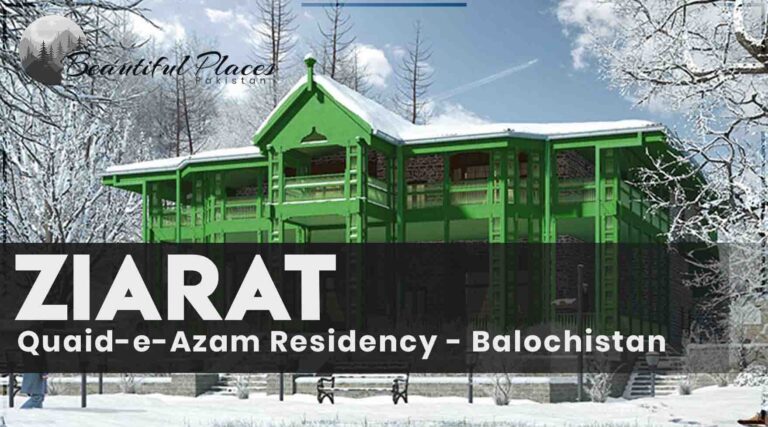
Region: Balochistan | Best time: April to October | Nearest base: Quetta, about 125 km
A hill town above Quetta surrounded by one of the largest and oldest juniper forests in the world, some of the trees estimated to be thousands of years old. The Quaid-e-Azam Residency, where Muhammad Ali Jinnah spent his final months, sits among them. Cool in summer, snowbound in winter, and completely unlike the coastal half of the same province. Read the full guide to Ziarat.
How to plan a trip around this list
Two things decide whether a list like this becomes a workable itinerary. The first is
season. The northern entries, from Hunza down to Swat and Neelum, are broadly open April to
October, while the Sindh and Balochistan entries are at their best from November to
February. October is the one month that suits almost everything on this page.
The second is distance. These places are spread across roughly 1,500 kilometres, and the
mountain sections take far longer than the map suggests. Most successful trips take one
region properly rather than three badly: a northern loop, or a heritage route through Lahore,
Taxila and the Indus sites, or a valley trip into Swat and Chitral.
Seasons, transport, permits, budgets and safety are covered in detail in our
guide to planning
a trip to Pakistan.
The questions that come up most often have their own guides: the best time to visit Pakistan, safety region by region, permits and restricted areas.
Common questions
What is the most beautiful place in Pakistan?
Hunza is the usual answer and a defensible one, for the combination of mountain scale,
orchards, forts and accessibility. If the question means the single most dramatic landscape,
Fairy Meadows facing Nanga Parbat is hard to beat. For those who have seen both, Leepa and
Ghizer are the quiet favourites.
How many days do you need to see the best of Pakistan?
Ten days covers one region properly. Two weeks lets you combine the north with Lahore and
the heritage sites. Under a week, choose a single valley and stay in it, because internal
travel will otherwise consume the trip.
Which is the best region for a first visit?
Gilgit-Baltistan for landscape, entered either by flying to Gilgit or Skardu or by
driving the Karakoram Highway. If your interest is history and architecture rather than
mountains, start with Lahore and Taxila instead.
Are these places safe to visit?
The northern areas, where most of this list sits, are widely regarded as among the safest
parts of the country and see a large number of independent travellers each season. A few
entries, particularly in Balochistan and near the Line of Control in Azad Kashmir, need
local advice on current access before you set out.
Do foreign tourists need a permit for these places?
For almost everything on this list, no. The blanket No Objection Certificate requirement
was abolished in 2019, and Hunza, Skardu, Swat, the Kalash valleys and Azad Kashmir are open
without one. Restrictions survive only for frontier zones and certain high-altitude routes.
When is the best time to visit?
October and November, if you want one answer that works for most of the country at once.
The mountains alone are best from May to September, and the south from November to February.
Last thoughts on the most beautiful places in Pakistan
What makes Pakistan unusual is not any single place on this list. It is the range: that
the cold desert at Skardu, the tiled courtyards of Lahore, a 4,500 year old brick city on the
Indus and an empty beach on the Arabian Sea all belong to the same country, and that most of
them are still visited by very few outsiders. Pick one region, give it more time than you
think it needs, and the rest of the list will still be there.

